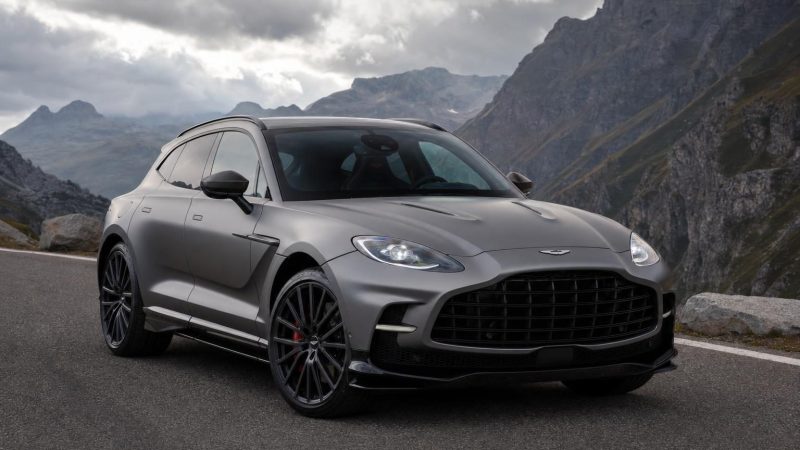
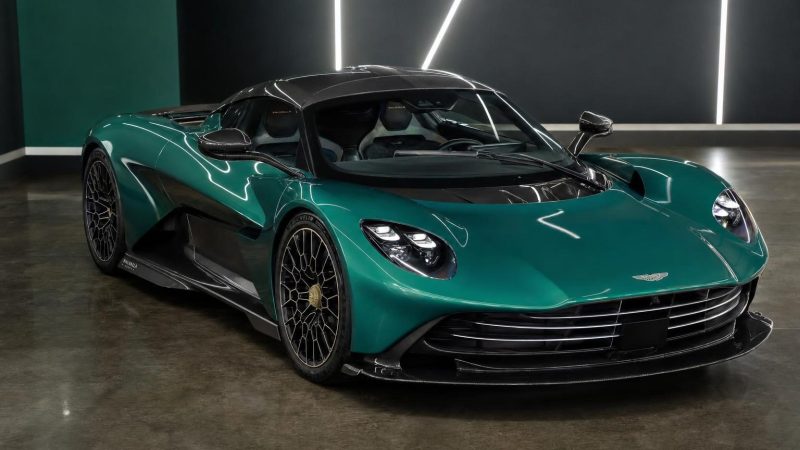
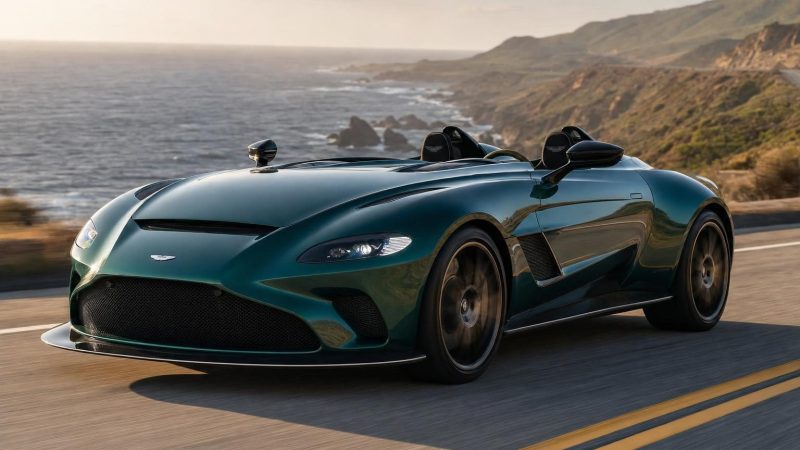
grand tourisme, deux GT pour 2026 : Vanquish V12 835 PS et DB12 V8, technologies internes et volumes limités. Analyse du positionnement face aux rivaux.
Grand tourisme in 2026 at Aston Martin is built around a carefully calibrated duo: a third-generation Vanquish with 835 PS and a more civil DB12, no less ambitious. Twenty-five years after the first Vanquish, the brand clarifies its play in the super GT segment, combining engine, technology and controlled volumes. Here is how this dual positioning takes shape, what the official figures say, and why strategy could matter tomorrow as much as today’s performance.
Vanquish 2024 at 25: three generations and power almost doubled since 2001
On 25 March 2026, Aston Martin celebrates at Gaydon the 25 years of the Vanquish name, officially confirming three generations since 2001, according to CEO Adrian Hallmark’s statement. In a quarter of a century, the flagship coupé has mapped the house DNA: V12, long-haul poise and priority to feel. This deliberate continuity sets the frame for British-style grand tourisme in 2026.
The first Vanquish (2001) delivered 460 PS from a 6.0-litre V12. Twenty-five years later, the third-generation Vanquish (2024) announces 835 PS and 1,000 Nm from a 5.2-litre twin-turbo V12, a 0–100 km/h in 3.3 s and 345 km/h flat out, according to the model’s official spec. Power has therefore “almost doubled” compared with the 2001 launch, as the anniversary recap published by the brand notes.
This commemorative milestone is more than an exercise in nostalgia. It accompanies a complete product update, the third iteration of the name, and an engineering narrative that insists as much on benchmark performance as on overall composure, as set out in the “Vanquish at 25” dossier.
DB12 and Vanquish: how Aston Martin separates two propositions in the same segment
Two GTs, two roles. The DB12 inaugurated in-house-developed infotainment technologies from Aston Martin; the new Vanquish becomes the fourth model to adopt them, after DB12, Vantage and DBX707, according to the product release. The message is clear: the DB12 acts as the first technological pathfinder, the Vanquish crowns the range, lifting it to “flagship” level.
Within this structure, the DB12 occupies the role of the versatile GT, more accessible in spirit without giving up character. The Vanquish, for its part, stands as standard-bearer, with more power, sharper tuning and an execution designed for rapid long-distance travel as well as demanding roads. The two overlap on comfort and connectivity, but diverge on dynamic ambition and the icon each represents.
This separation of trajectories allows the brand to embrace the full arc of modern grand tourisme: the DB12 as everyday companion, and the Vanquish as a technical and emotional statement. A duo rather than a single answer, a way to cover the segment without dilution.
To delve into the details of the Vanquish Mk3, our dedicated page compiles the key specifications and latest news on the flagship model: all about the third-generation Vanquish. On the DB12 side, find our complete dossier on Aston Martin’s technological GT: DB12 guide and recent updates.
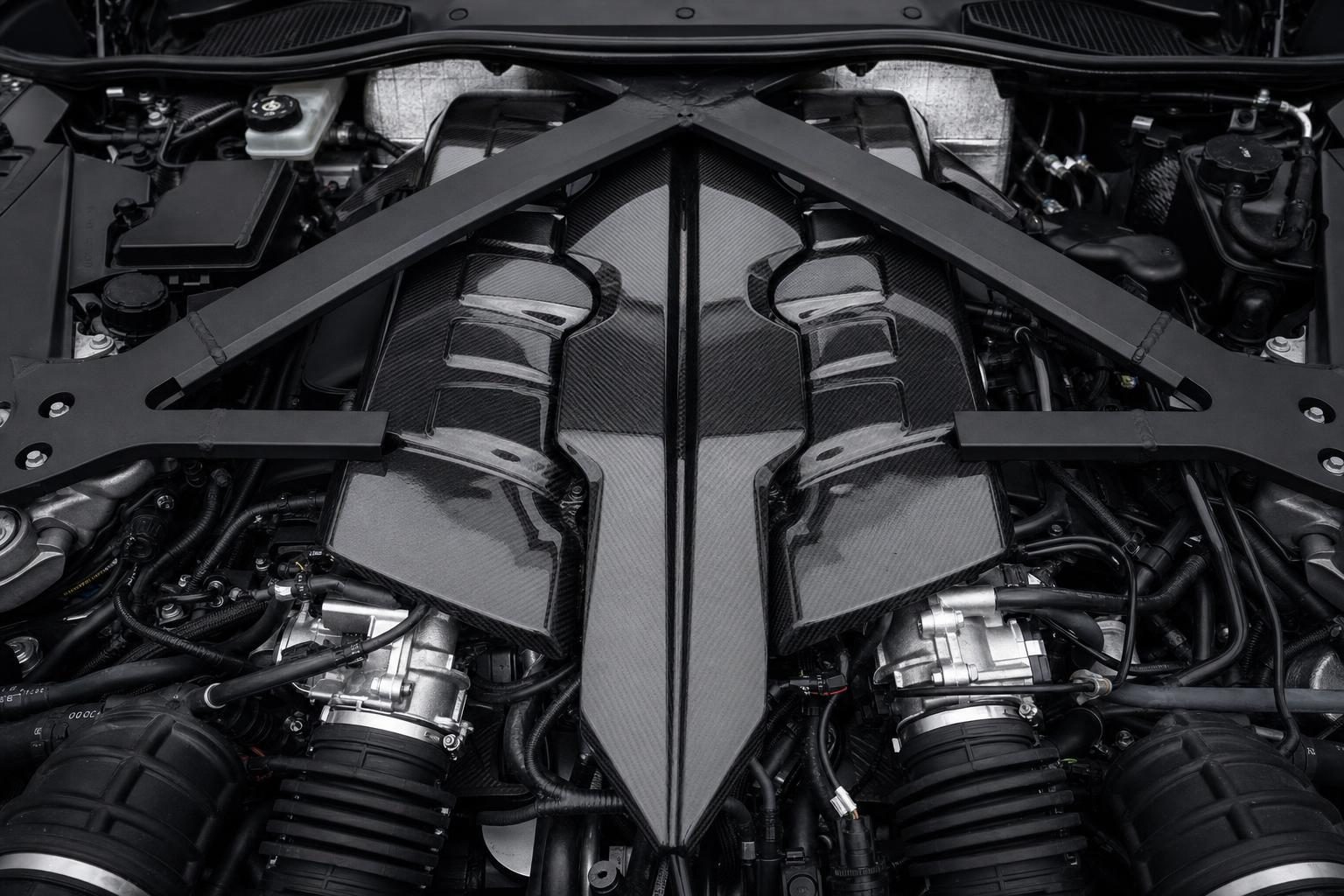
The V12 versus the twin-turbo V8: two engine philosophies for two clienteles
The new Vanquish makes the deliberate choice of the 5.2-litre twin-turbo V12, the brand’s most emblematic mechanical signature at this level. The official figures — 835 PS, 1,000 Nm, 3.3 s from 0 to 100 km/h, 345 km/h — immediately place the coupé at the very top of the in-house hierarchy. This abundance of torque and the V12’s reach point to a grand tourisme culture of reserve and ease, even at very high speed.
Facing it in the range, the DB12 relies on a twin-turbo V8 and a more transversal positioning. Without going into exhaustive technical detail here, the intent is clear: a more compact engine, a lively response, and a balance suited to daily and sporting use. Two schools, two scores, two clienteles that nonetheless converge on the same demand for refinement and character.
This mechanical duality also has strategic value. It clarifies the internal scale: the V8 for the everyday “attack” GT, the V12 for the standard that concentrates the best performance and the most advanced developments. A useful separation when rivals, too, are multiplying à la carte offerings.
For an overview of the technical innovations specific to the 2024 V12, our summary highlights five key points, from intake to thermal management: five innovations to note on the 2024 Vanquish V12.
What the ‘Vanquish at 25’ programme says about Aston Martin’s range strategy in 2026
The official “Vanquish at 25” programme refines the brand narrative around the flagship model. According to Aston Martin, this quarter-century links three generations and sets engineering and design markers that structure the current offer. The Vanquish being among the first to adopt the in-house infotainment — after DB12, Vantage and DBX707 — reflects a strategy where software innovation and high-performance hardware advance together.
The one-off Vanquish Volante Wave Edition 2026, auctioned for the benefit of the Naples Children and Education Foundation in January 2026, illustrates this role as mouthpiece: when the icon steps outside commercial circuits, it signals both exclusivity and commitment. This event, relayed by the brand, reinforces the aura of the name while anchoring the model’s news in a busy 2026 calendar.
Beyond the gesture, the through-line remains range coherence: DB12 to open the technological path from launch, then Vanquish to carry the performance banner, in limited numbers. In the ecosystem of contemporary GTs, this combination feeds a differentiated positioning without muddying the waters.
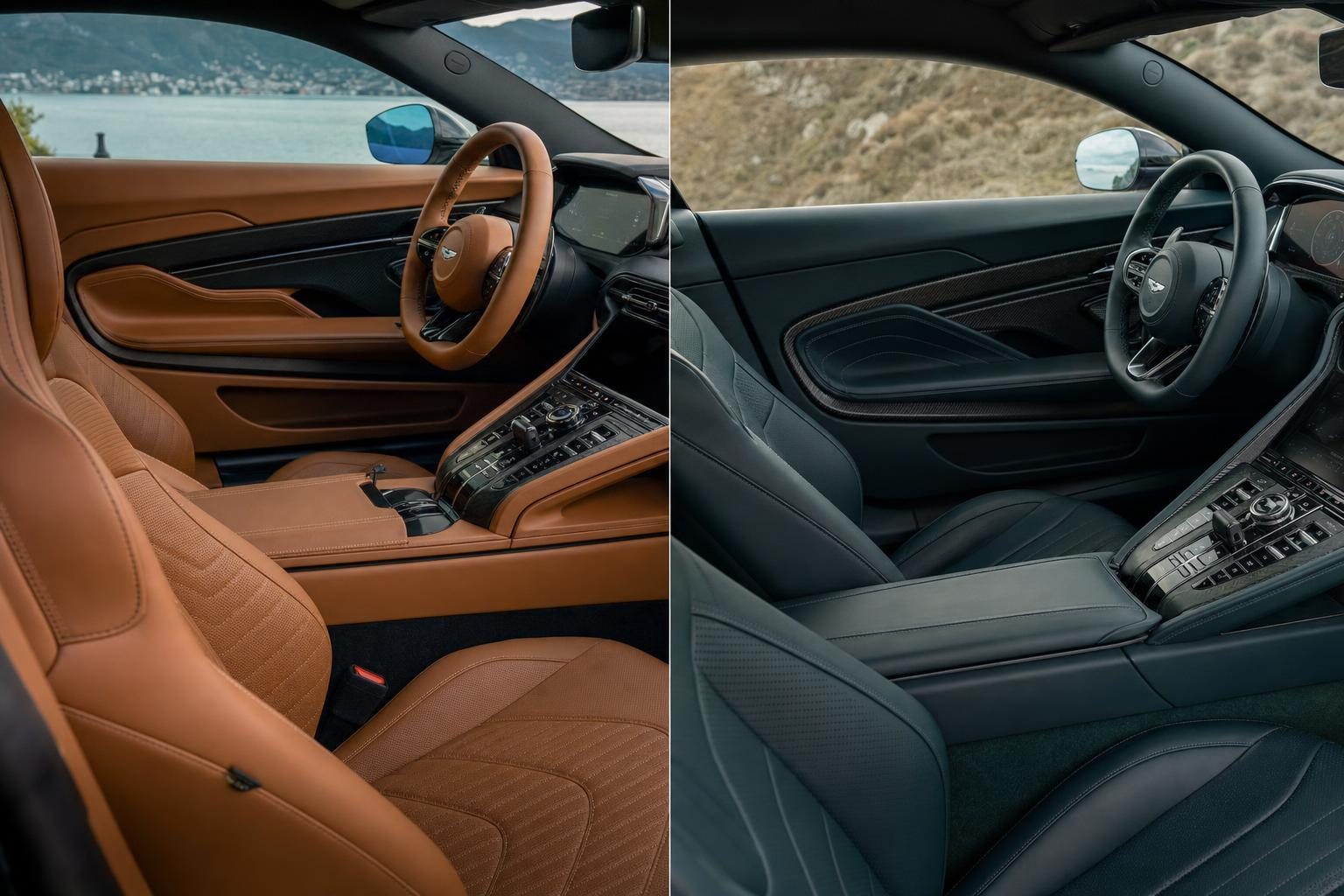
Controlled volumes: fewer than 1,000 Vanquish per year and what that means for future prices
Aston Martin announces annual production of fewer than 1,000 Vanquish, all versions combined, a deliberate limitation intended, according to Adrian Hallmark, to “maintain the exclusivity of the flagship model”. In a category where the offer has thickened, this cap creates organised scarcity and, by extension, potential protection for residual values.
In the short term, this policy avoids overabundance and preserves the Vanquish’s status at the top of the range. In the medium term, it weighs on perceived value: tighter allocations, demand that sustains itself, and a clear hierarchy relative to the DB12, produced in volumes not specified here. This is the other face of grand tourisme in 2026: cadence control as an integral part of the experience.
To gauge these announcements officially, the anniversary release details the history and ambitions of the programme: Vanquish at 25 on astonmartin.com. The “engineering excellence” press kit published by the brand completes the overview: detailed media overview. For an independent historical reminder, see also the page devoted to the Vanquish.
Conclusion: grand tourisme, two paths and one signature
In 2026, Aston Martin covers grand tourisme with two complementary approaches. The DB12 lays down the technological base and muscular everyday use; the Vanquish, with its 835 PS V12, crystallises the performance standard and exclusivity, with fewer than 1,000 units a year. Twenty-five years after the 2001 original, power has almost doubled, but the heading remains the same: refinement, character and clear positioning against ever-sharper rivals.
In the end, this dual alignment reinforces the range reading: one GT for everything, one GT for the summit. Two paths, one signature. And a very English way to underline what the notion of grand tourisme implies in 2026.