Timeline

The History of Aston Martin

From 1913 to today, decade by decade.

1910
1913 · Société

The Birth of Bamford & Martin

The founding of Aston Martin dates back to 1913, when Lionel Martin and Robert Bamford set up Bamford & Martin Ltd in London. Based in Kensington, the two partners shared a deep passion for engineering and motorsport, and began by selling and servicing cars before dreaming of building their own.

The founding of Aston Martin: two men and a workshop

Lionel Martin made his name in hill climbs, particularly at Aston Hill near Aston Clinton. It was this place, combined with his surname, that gave the marque its name: Aston Martin. Robert Bamford brought the same mechanical enthusiasm, and their modest workshop soon became a meeting point for motoring devotees. The first complete car, later nicknamed the Coal Scuttle, appeared around 1915.

From this small London workshop would emerge one of Britain's most prestigious grand touring marques. The early years were hard, and the First World War quickly interrupted the fledgling business. Even so, the founding of Aston Martin in 1913 remains the defining act behind the legend that followed.
1914 · Société

Aston + Martin: A Name Is Born

The origin of the Aston Martin name lies in an English hill and one determined driver. In the early 1910s, Lionel Martin competed in the hill climbs at Aston Hill, near Aston Clinton in Buckinghamshire. Taken with the course where he excelled, he chose to pair its name with his own.

The origin of the Aston Martin name: a hill and a driver

From that pairing a marque was born: Aston Martin. The first car to carry the name was built soon after, with sources placing this first example between 1914 and 1915. The choice was no accident: it tied the young marque to competition and performance from the very start, values it has never abandoned.

More than a century later, the origin of the Aston Martin name remains one of the most elegant in British motoring history: neither a surname alone nor a place alone, but the meeting of the two, set forever on the winged badge.

1915 · Société

Coal Scuttle: The First Aston Martin

The first Aston Martin took shape around 1915 in the hands of Lionel Martin. To bring it to life, he mated a small-capacity Coventry-Simplex engine to a light chassis, often described as Isotta-Fraschini in origin. The compact, stubby result would soon earn the nickname Coal Scuttle.

The first Aston Martin and its Coal Scuttle nickname

The affectionate name says everything about its utilitarian shape, far from the sculpted lines of the marque's later grand tourers. What mattered lay elsewhere: the car ran, it was quick for its class, and it proved the Kensington workshop could build cars, not merely tune them.

The momentum was cut short almost at once, as the First World War halted the fledgling business. Even so, the first Aston Martin remains the marque's technical birth certificate, the starting point of a line that has never stopped since.

1920
1920 · Société

The Departure of Robert Bamford

The departure of Robert Bamford marked a quiet but decisive turning point in Aston Martin's history. In the early 1920s, the co-founder withdrew from the company he had launched with Lionel Martin. Martin was left alone at the helm and pressed on with developing the cars.

The departure of Robert Bamford and Zborowski's support

Without his partner, Lionel Martin found valuable backing in Count Louis Zborowski, a wealthy patron and keen racing driver famous for his monstrous Chitty Bang Bang specials. His financial and sporting commitment allowed the young marque to keep racing and improving at a time when money was painfully scarce.

The departure of Robert Bamford thus closed the very first chapter of Aston Martin, the one shared by its two founders, and opened another: that of a marque which, from the outset, would have to learn to survive by relying on enthusiasts rather than on great industrialists.

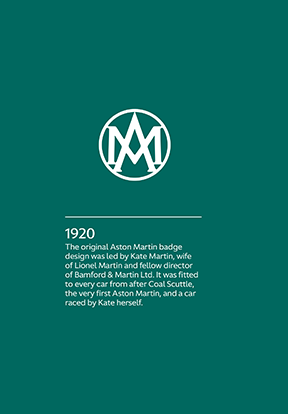
The A.M. Monogram
1921 · Logo

The A.M. Monogram

The A.M. monogram was Aston Martin's very first visual identity. Around 1921, the young marque adopted a circular emblem interlacing the initials A and M, at a time when it was still searching for its style and its place in British motoring.

The A.M. monogram: a first signature

The choice was plain and pragmatic: a simple, legible logo, easy to apply to cars and documents. It did not yet have the presence of the wings that would later make the marque famous, but it established a lasting principle: Aston Martin is recognised first by its initials.

The A.M. monogram belongs to a period of trial and error, when the marque survived on the passion of its founders. This modest first identity would soon be replaced by the winged motif, but it marked the starting point of a long graphic evolution that continues to this day.

1922 · Compétition

Records at Brooklands and Early Grands Prix

The records at Brooklands marked Aston Martin's true sporting debut. In the early 1920s, and notably in 1922, the young marque ran its cars on the legendary Brooklands speed bowl in England, where it set class records. Competition became, from the outset, a place to prove itself.

Records at Brooklands and the first Grands Prix

At the same time, Aston Martin ventured onto the international stage by entering its sports cars in the first Grands Prix. For a marque of modest means, these appearances mattered as much for prestige as for technical development: to race was to become known and to improve at once.

The records at Brooklands established, very early, an essential part of Aston Martin's identity: that of a maker devoted to performance and racing, long before the great Le Mans victories. This sporting DNA would never leave the marque again.

1925 · Société

Bankruptcy, Then Revival with Bertelli

The revival of Aston Martin began with a bankruptcy. Mounting financial troubles led to the company's liquidation in 1925. The adventure could have ended there, as it did for so many small carmakers of the era.

The revival of Aston Martin at Feltham with Bertelli

From 1926, however, a group led by William Renwick and the Italian engineer-driver Augusto Bertelli relaunched the marque, now based at Feltham. Bertelli, known as Bert, brought genuine technical expertise: he designed modern engines and chassis, and took the marque racing to build its reputation.

This revival of Aston Martin set a pattern that would repeat throughout the century: with every crisis, enthusiasts stepped in to bring the marque back to life. Bertelli's sports cars would lay the foundations of the pre-war Aston Martin identity.

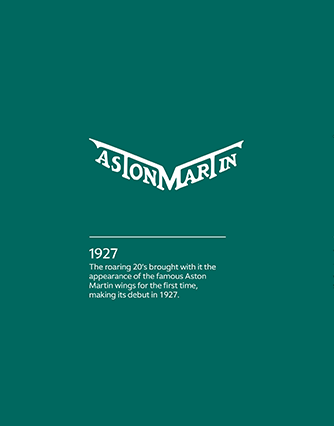
The First Wings
1927 · Logo

The First Wings

Aston Martin's first wings appeared under the Bertelli era, around 1927. The marque gradually dropped its monogram for a motif of outstretched wings, a symbol of speed and elevation that would become its most lasting signature.

The first wings: the birth of a symbol

The choice was no accident. At that time, several car and aviation makers adopted winged emblems, associated with progress and performance. For Aston Martin, then focused on competition under Augusto Bertelli, these wings perfectly captured the marque's sporting spirit.

The first wings laid the foundations of a logo that would run through the whole twentieth century, refined decade after decade without ever losing its essence. Almost a century later, the winged badge remains one of the most recognisable emblems in prestige motoring.

1928 · Compétition

First Steps at the Le Mans 24 Hours

Aston Martin at Le Mans is a story that began in the late 1920s. From 1928, the British marque entered its sports cars in the Le Mans 24 Hours, the most demanding of endurance races. For a maker still young and short of means, lining up on the Sarthe circuit was already a bold move.

Aston Martin at Le Mans: the start of a long story

These first appearances were not about immediate victory but about being tested: running fast and long, proving reliability, learning. Le Mans quickly became a place of experimentation and a mark of prestige, true to the sporting spirit instilled by the founders from the very start.

These beginnings sealed a lasting bond: Aston Martin at Le Mans would become one of the recurring threads of the marque's history, from modest pre-war entries to the outright triumph of 1959. Decade after decade, the Sarthe remained the favoured stage for its ambitions.

1930
The Refined Wings
1932 · Logo

The Refined Wings

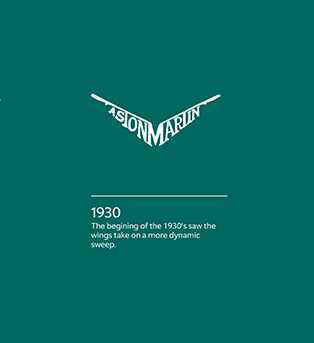
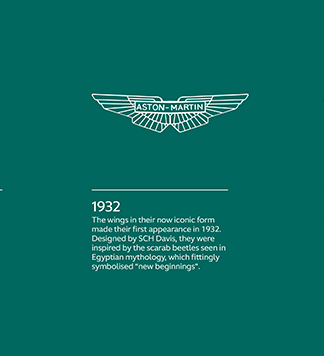
The refined wings marked a key stage in the evolution of the Aston Martin badge. Around 1932, the winged emblem was redrawn with greater finesse, and the marque's name was set within a central cartouche, at the heart of the wings.

The refined wings: the emblem takes shape

This design fixed a structure that would endure: two symmetrical wings framing the Aston Martin name. Legibility came first, as the emblem had to work equally well on a grille, an official document or a poster. The marque thus asserted a coherent, recognisable visual identity.

The refined wings illustrate an approach that would recur: evolving the badge in small touches, respecting its spirit, rather than reinventing everything. It is this graphic continuity that gives the Aston Martin logo its strength and its timelessness.

1932 · Société

The Sutherland Era

The Sutherland era opened, in the early 1930s, one of the most stable periods of pre-war Aston Martin. The marque came under the control of Sir Arthur Sutherland, a wealthy shipowner, while his son Gordon took charge of day-to-day management.

The Sutherland era: sport and stability

Under their stewardship, Aston Martin refined its range of 1.5-litre sports cars and built its reputation in competition. The cars of this period, including the celebrated Ulster, shone on the track and embodied the marque's spirit: light, agile machines built for road and circuit alike. Le Mans entries became a regular fixture.

The Sutherland era brought no great wealth, but it gave the marque a rare continuity and a clear sporting identity. It was on these foundations that Aston Martin would face, after the war, the decisive turning point of its purchase by David Brown.

Silver and Black
1939 · Logo

Silver and Black

Silver and black became, in the late 1930s, the emblematic palette of the Aston Martin badge. The wings and cartouche took on this restrained, elegant contrast, giving the emblem a look at once sporting and refined.

Silver and black: the elegance of a contrast

The choice of silver and black was not merely aesthetic. These two tones are among the most legible and timeless: they work on any bodywork, never date, and immediately evoke the discreet luxury proper to the British marque.

This silver and black palette would span the decades, becoming a constant of Aston Martin's visual identity. Even through the successive redesigns of the badge, this pairing would remain a reference, the mark of a marque attached to restraint and elegance rather than ostentation.

1940
The David Brown Signature
1947 · Logo

The David Brown Signature

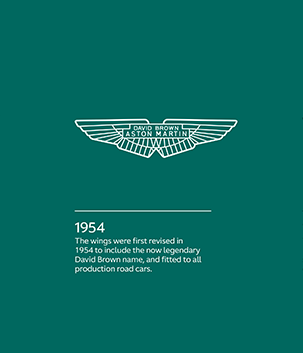
The David Brown signature appeared on the Aston Martin badge from 1947. When the industrialist bought the marque, his name was added in full at the centre of the winged emblem, marking the start of a golden era: that of the legendary DB cars.

The David Brown signature: a name on the wings

Placing his name on the emblem was not merely a matter of ego: it asserted a vision and a responsibility. David Brown staked his surname on the marque's success, which he wanted to raise to the summit of grand touring and competition. The emblem thus became the seal of an era.

The David Brown signature would accompany the greatest Aston Martins, from the DB2 to the DB6, and would remain bound to the marque's golden age. When it disappeared from the badge, decades later, it would signal a new chapter in the company's history.

1947 · Société

David Brown: The Golden Age Begins

The David Brown era began in 1947, when the British industrialist David Brown bought Aston Martin, then looking for a buyer. A keen engineer at the head of a gears and tractors group, he saw in the marque a showcase for technical excellence.

The David Brown era: Lagonda, Newport Pagnell and the DB cars

He soon also acquired Lagonda, chiefly for its six-cylinder engine designed by W.O. Bentley, which would power future Aston Martins. Production moved to Newport Pagnell, which would remain the marque's home for decades. Above all, David Brown lent his initials to the cars: the legendary DB line was born.

The David Brown era would become Aston Martin's golden age: the DB2, DB4 and DB5, victory at Le Mans, and a place in legend thanks to James Bond. It all began with that 1947 purchase, one of the most decisive in the marque's history.

1948 · Compétition

Victory at the Spa 24 Hours

The victory at the Spa 24 Hours was one of Aston Martin's first great post-war successes. In 1948, on the fearsome Belgian circuit of Spa-Francorchamps, the driver St John Horsfall took the marque to the top of this demanding endurance race. The result made a real impression.

The victory at the Spa 24 Hours: the David Brown revival

The success came at a pivotal moment. Aston Martin had just been bought by the industrialist David Brown, who wanted to restore the marque's sporting lustre. Winning at Spa in 1948 validated his vision: competition as both showcase and laboratory. The win rekindled momentum and fed the growing reputation of the future DB cars.

The victory at the Spa 24 Hours thus heralded the great decade ahead: the one in which Aston Martin, driven by David Brown, would aim for the heights of endurance racing and, eleven years later, conquer Le Mans.

1950
1950's
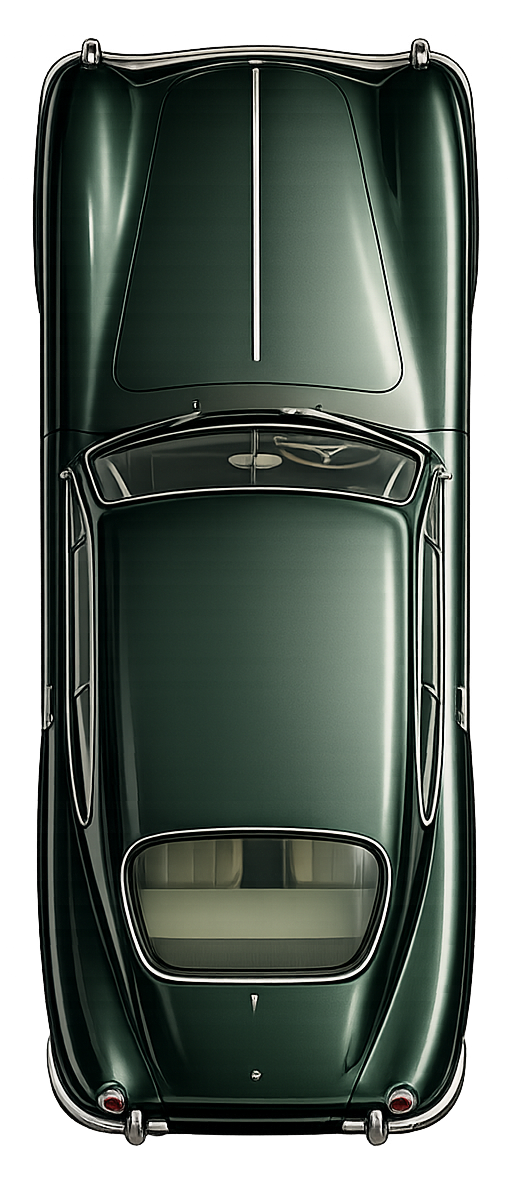
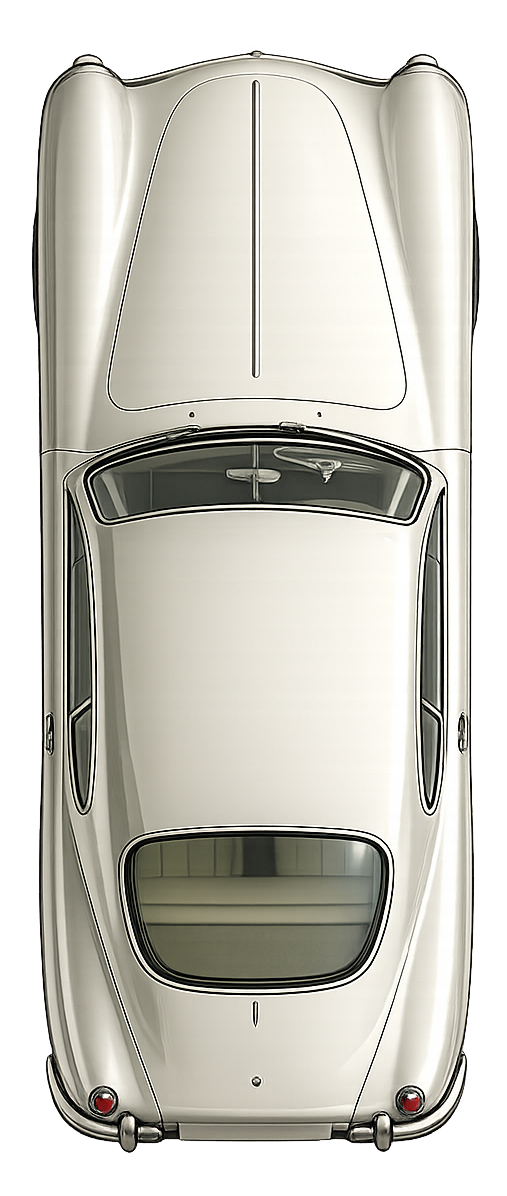
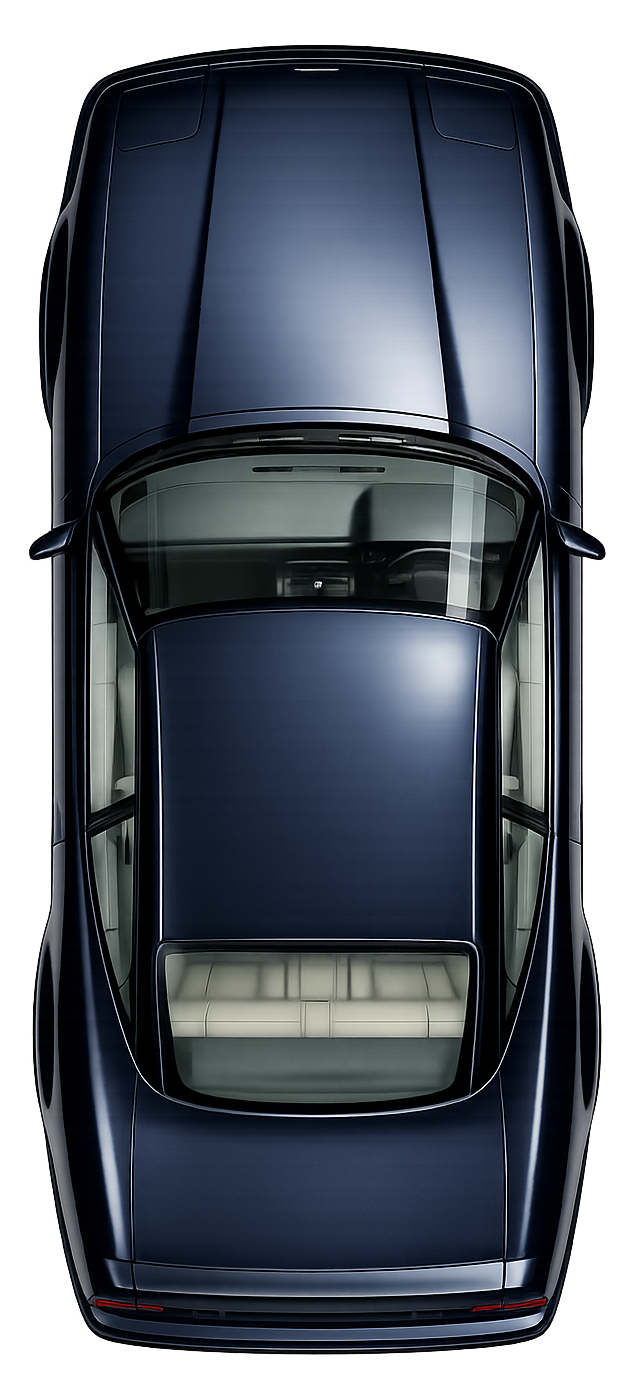
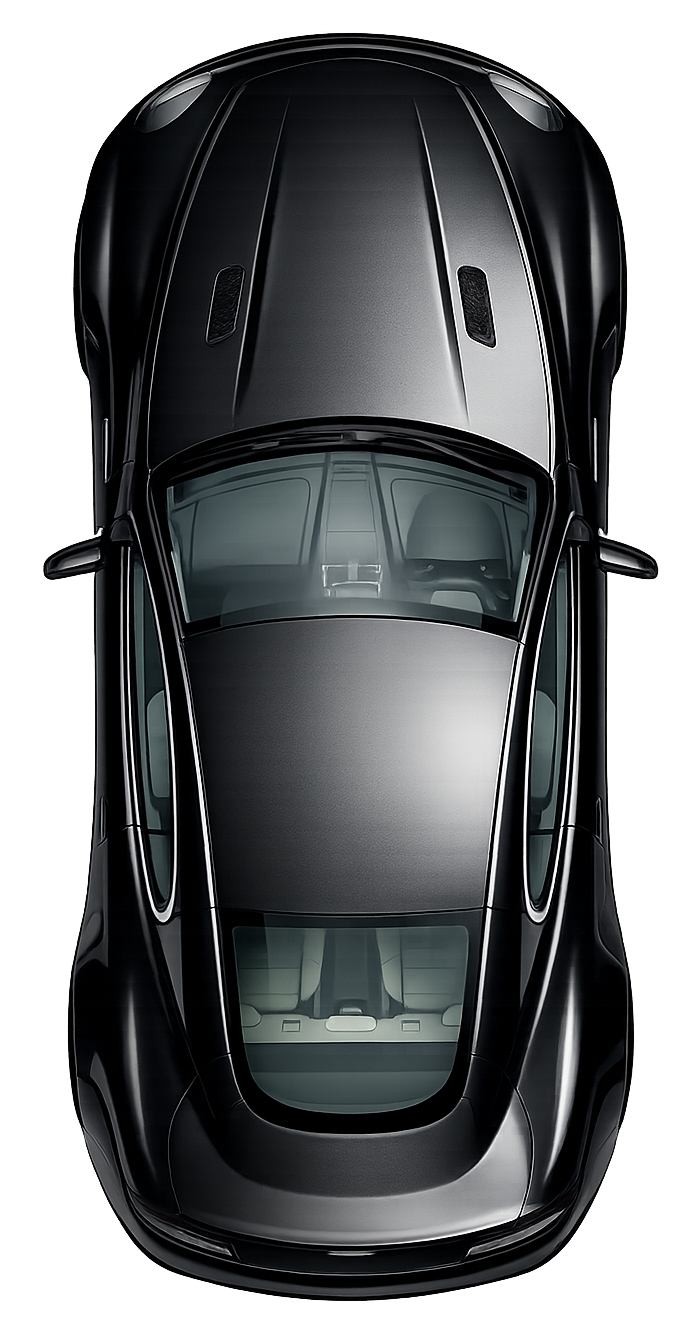
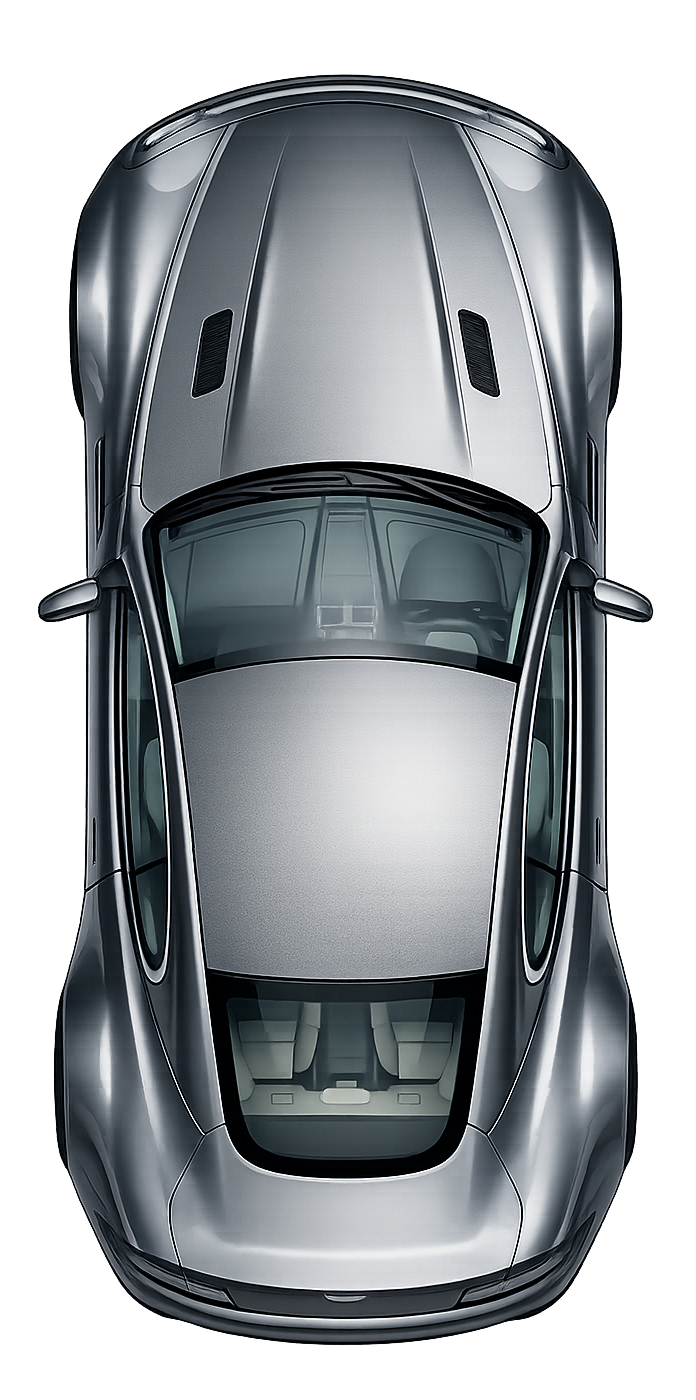
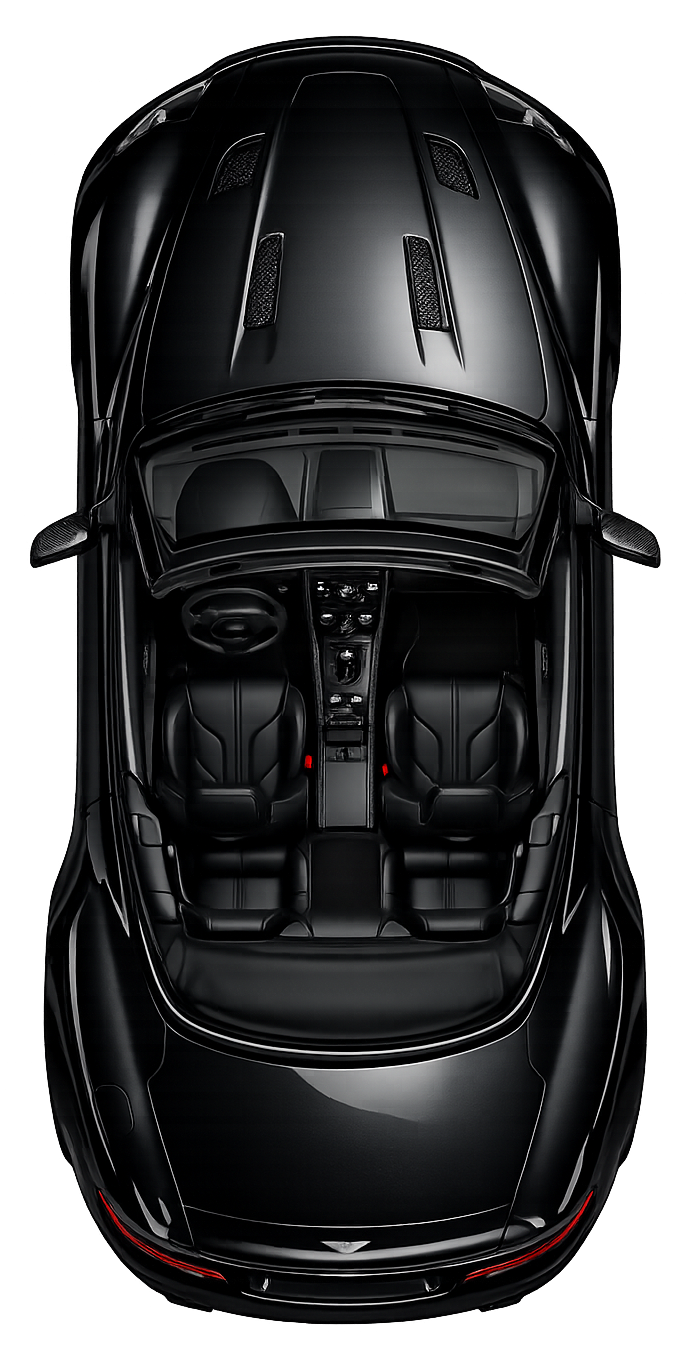
DB2 — vue de dessus
DB2
1950 –53
Puissance
107 ch
0–100 km/h
12.4 s
Vitesse max
195 km/h
Exemplaires
411
View profile
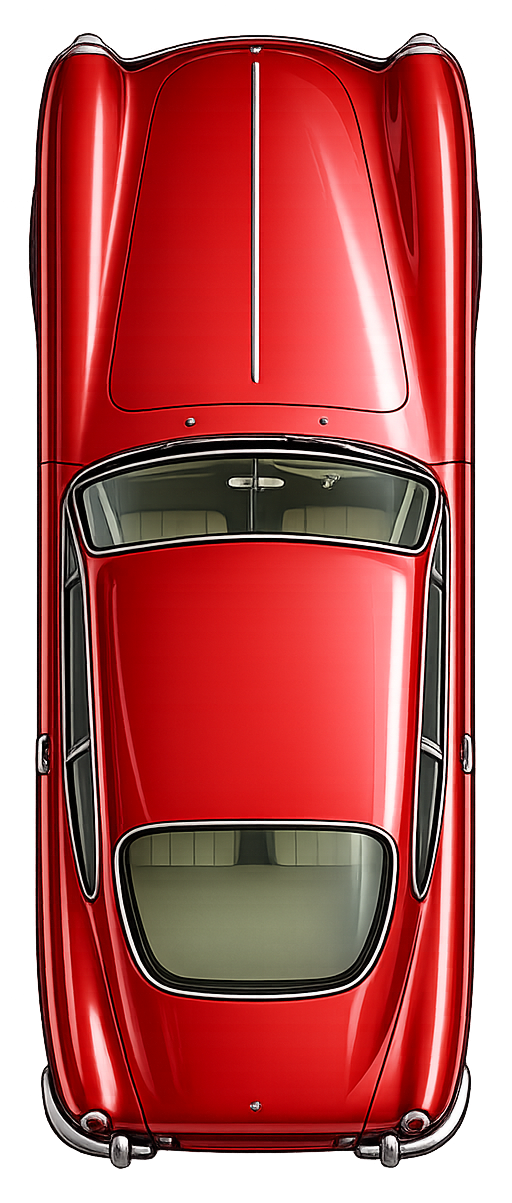
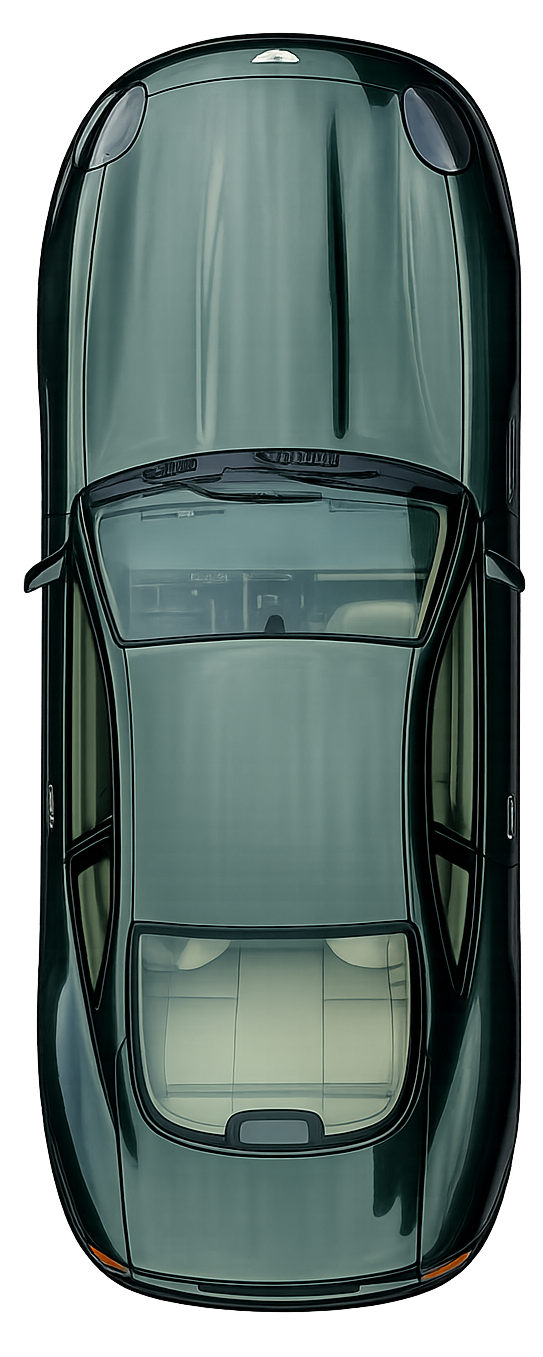
DB Mark III — vue de dessus
DB Mark III
1957 –59
Puissance
162 ch
0–100 km/h
9.3 s
Vitesse max
220 km/h
Exemplaires
551
View profile
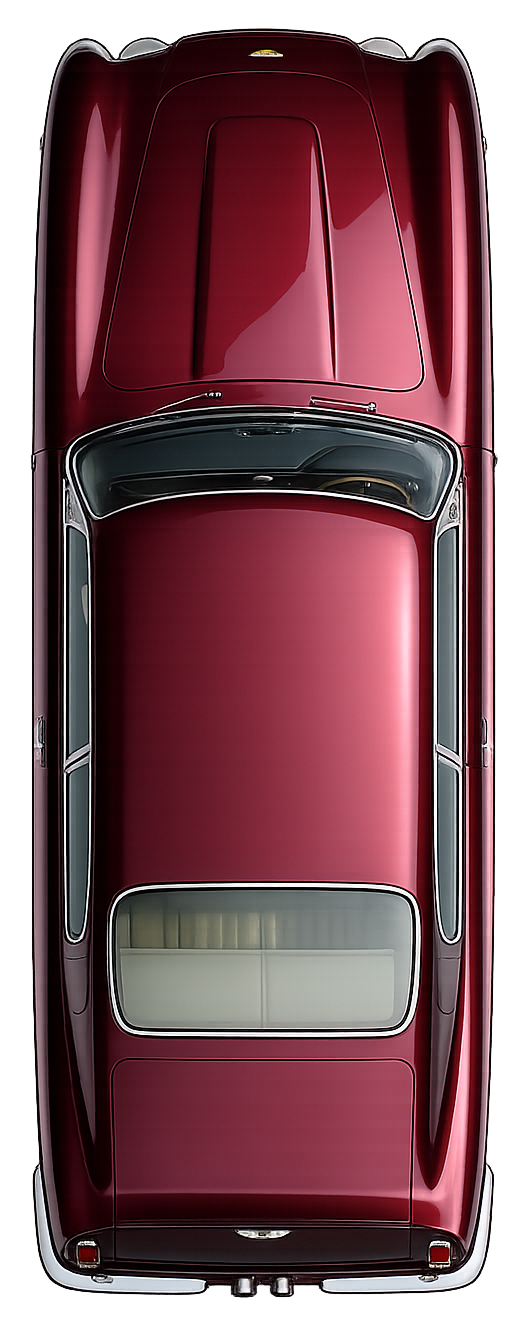
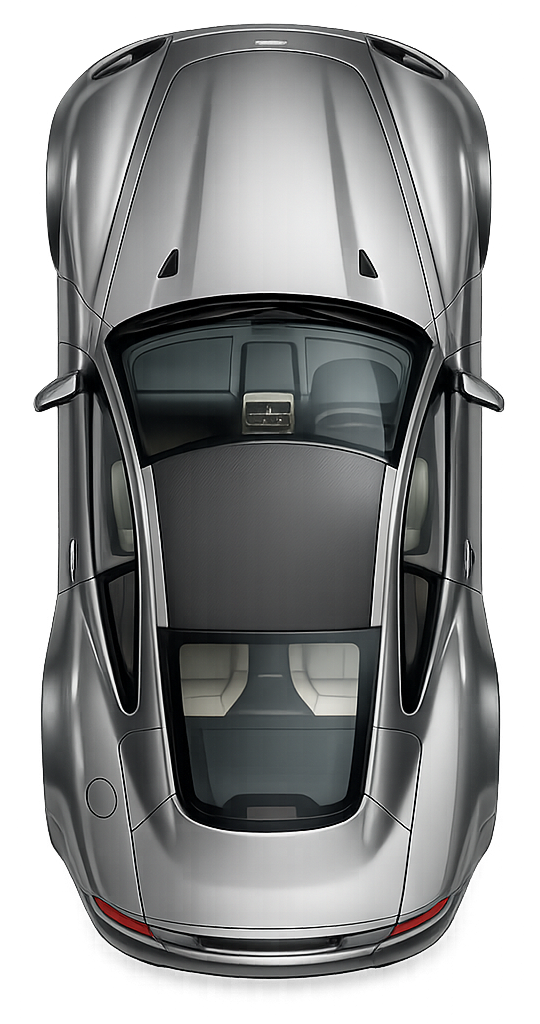
DB4 — vue de dessus
DB4
1958 –63
Puissance
240 ch
0–100 km/h
9.3 s
Vitesse max
225 km/h
Exemplaires
1204
View profile
1959 · Compétition

Le Mans and the World Title

Le Mans 1959 remains the absolute pinnacle of Aston Martin's sporting history. On 21 June 1959, the DBR1 driven by Roy Salvadori and the American Carroll Shelby won the Le Mans 24 Hours, sealing a resounding one-two at the front of the race. It was the culmination of David Brown's vision.

Le Mans 1959: outright victory and world title

The triumph did not stop there. That same year, Aston Martin clinched the World Sportscar Championship, crowning the marque at the highest level of international endurance racing. For a team of limited means, beating the giants of the era was a genuine feat.

More than sixty years later, Le Mans 1959 remains, to this day, Aston Martin's only outright victory at the Sarthe. The achievement forged a major part of the marque's legend and still feeds, today, its ambition to return to the summit of endurance racing.

1960
1960's
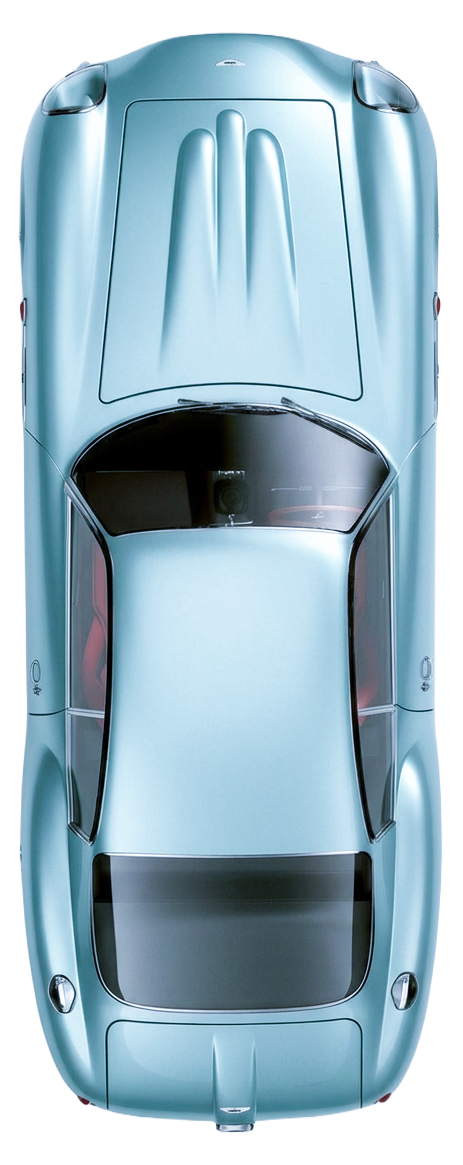
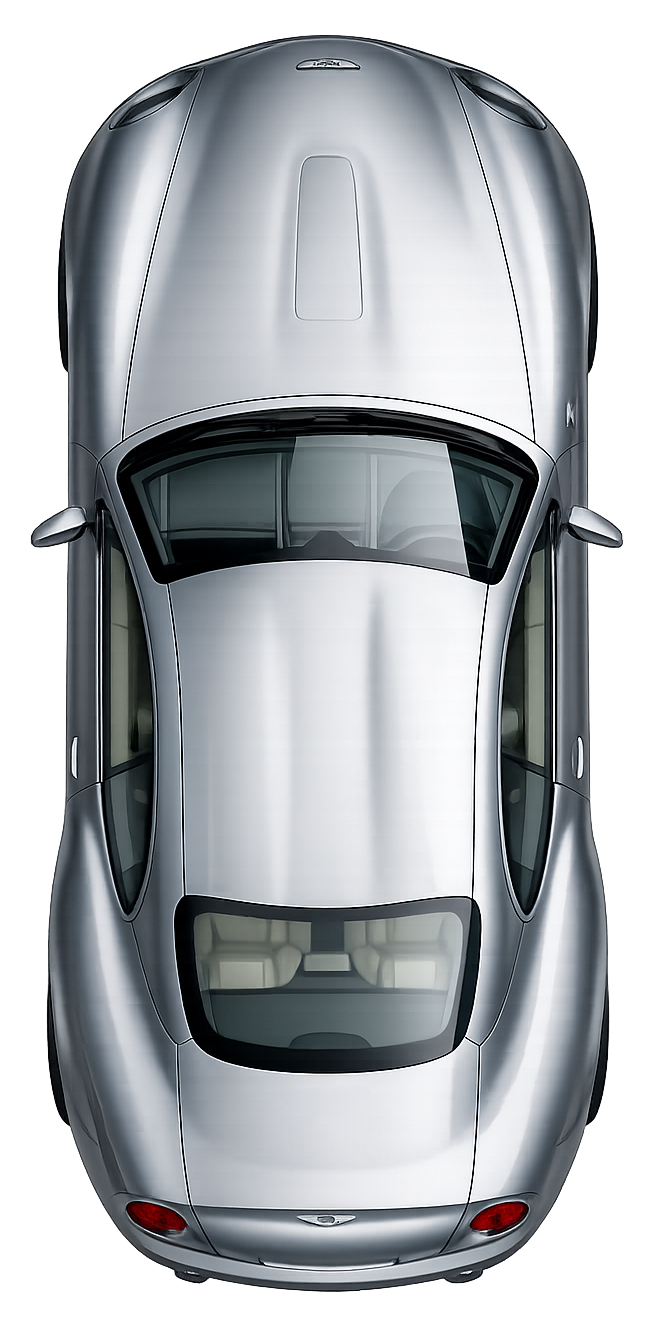
DB4 GT Zagato — vue de dessus
DB4 GT Zagato
1960 –63
Puissance
314 ch
0–100 km/h
6 s
Vitesse max
250 km/h
Exemplaires
19
View profile
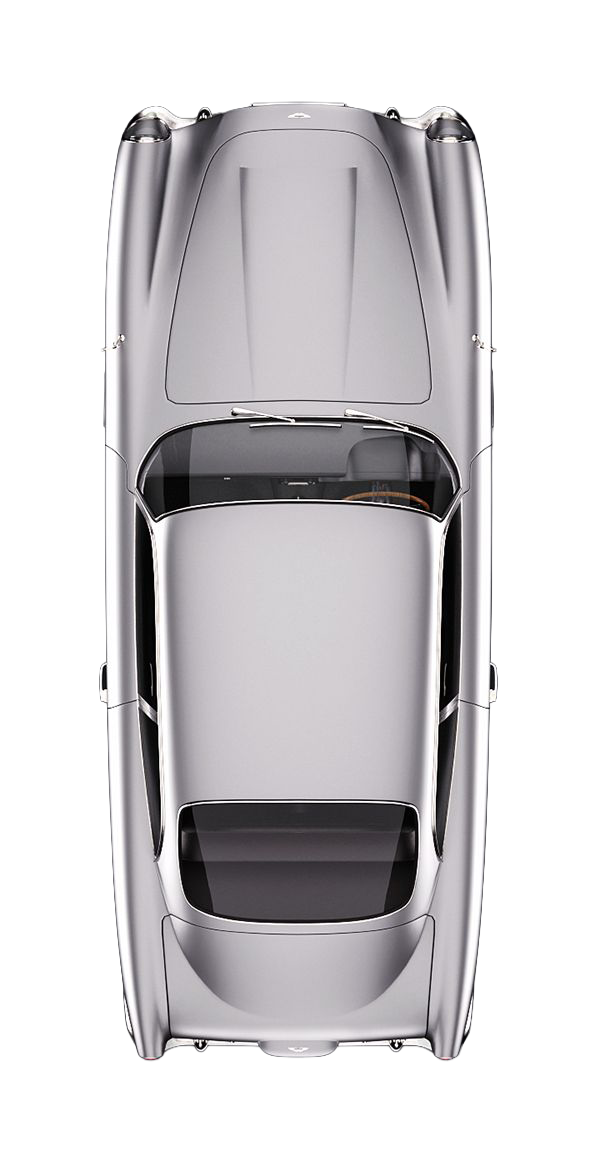
DB5 — vue de dessus
DB5
1963 –65
Puissance
282 ch
0–100 km/h
8.1 s
Vitesse max
233 km/h
Exemplaires
1059
View profile
DB6 — vue de dessus
DB6
1965 –69
Puissance
282 ch
0–100 km/h
8.5 s
Vitesse max
245 km/h
Exemplaires
1788
View profile
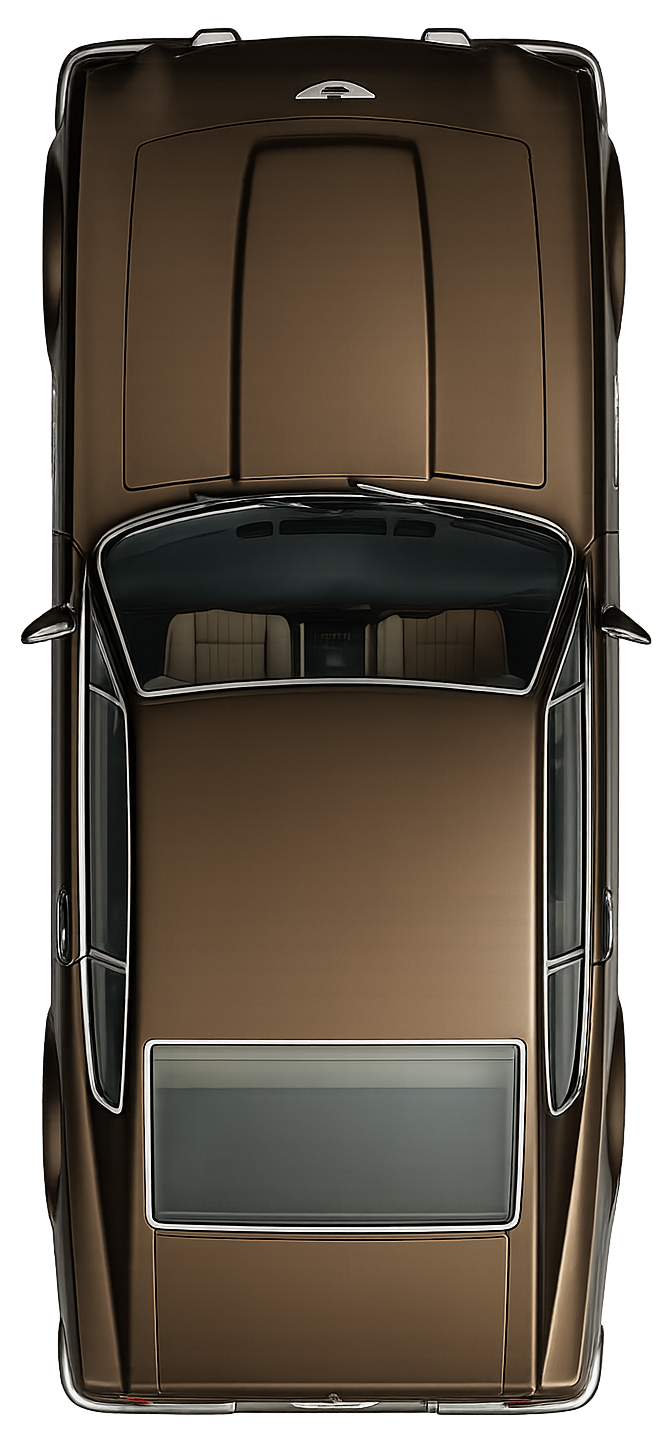
1960's
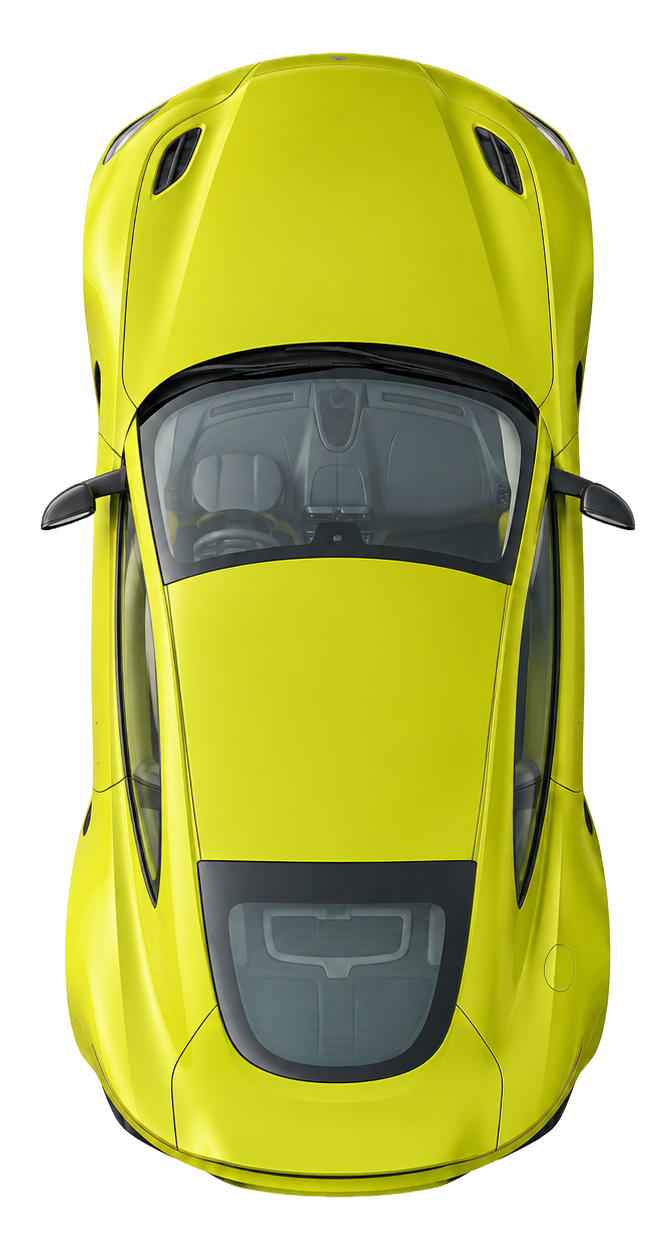
AMV8 — vue de dessus
AMV8
1969 –89
Puissance
340 ch
0–100 km/h
5.9 s
Vitesse max
257 km/h
Exemplaires
1750
View profile
1970
The Return of the Bare Wings
1972 · Logo

The Return of the Bare Wings

The return of the bare wings came at the turn of the 1970s. After more than twenty years, the David Brown name was removed from the centre of the Aston Martin emblem, which regained stripped-back wings. The emblem even took on, for a time, a golden hue.

The return of the bare wings: the end of an era

The change was not merely aesthetic: it accompanied the departure of David Brown, who sold the marque in the early 1970s. By erasing his name from the badge, Aston Martin turned the page on its golden age and entered a more uncertain period, marked by financial troubles.

The return of the bare wings shows how the Aston Martin badge tells, in its own way, the story of the company. Each evolution of the emblem coincides with a turning point: a takeover, a new management, a change of course. The wings remain; the details change.

1972 · Société

After David Brown

The years after David Brown were a time of uncertainty. In 1972, weighed down by losses, David Brown sold Aston Martin to Company Developments Ltd. The marque lost the protector of its golden age and entered one of the most unstable decades in its history.

After David Brown: crisis and survival

Financial troubles followed one after another, and production even stopped for a time in the mid-1970s, before new investors took over to keep the marque afloat. Aston Martin survived thanks to enthusiasts and a handful of emblematic models, but resources remained scarce.

The period after David Brown captures a constant of the marque: its chronic economic fragility, offset by an aura and a sporting heritage that, with every crisis, eventually drew in fresh saviours. Real stability would have to wait for the arrival of Ford.

1970's
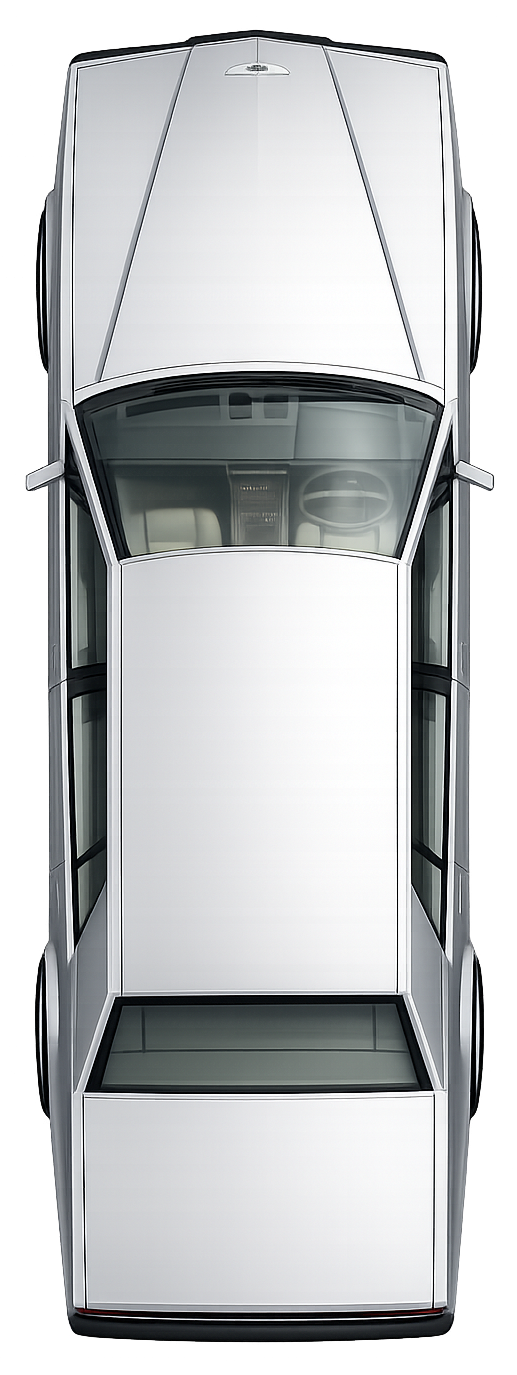
Lagonda (1976) — vue de dessus
Lagonda (1976)
1976 –90
Puissance
280 ch
0–100 km/h
8.8 s
Vitesse max
230 km/h
Exemplaires
645
View profile
1980
The Modernised Badge
1984 · Logo

The Modernised Badge

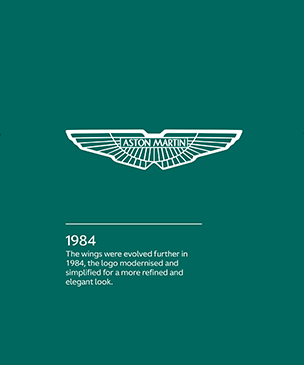
Aston Martin's modernised badge appeared around 1984. The winged emblem was redrawn in cleaner, more contemporary lines, better suited to the graphic demands of a marque that had to exist across ever more varied media.

The modernised badge: clarity and legibility

The aim was to clarify the design without betraying the heritage. The wings gained in precision, the cartouche stayed central, and the whole was meant to be more immediately recognisable, from afar and in small formats alike. It was a cautious modernisation, true to Aston Martin's philosophy: evolve rather than break.

The modernised badge accompanied a period of transition for the marque, still fragile but eager to tend its image. It paved the way for the decades to come, in which the winged logo would become a genuine prestige asset, recognised far beyond the world of cars alone.

1987 · Société

The Ford Era

The Ford era marked Aston Martin's return to financial stability. In 1987 the American giant took a 75% stake in the British marque, before acquiring full control in 1994. For the first time in decades, Aston Martin had resources to match its prestige.

The Ford era: means and decisive models

This industrial backing changed everything. It funded the development of decisive models, beginning with the 1994 DB7, whose commercial success quite literally saved the marque. Aston Martin also drew on the engineering strength and networks of the Ford group, then owner of several prestige brands.

The Ford era laid the foundations of the modern Aston Martin: higher volumes, industrial quality and the prospect of a new factory. It was under Ford that the Gaydon project took shape, opening the marque's contemporary chapter.

1980's
Virage — vue de dessus
Virage
1988 –95
Puissance
330 ch
0–100 km/h
6.8 s
Vitesse max
255 km/h
Exemplaires
411
View profile
1990
1990's
DB7 — vue de dessus
DB7
1999 –03
Puissance
420 ch
0–100 km/h
5 s
Vitesse max
299 km/h
Exemplaires
3500
View profile
2000
2000's
Vanquish Mk1 — vue de dessus
Vanquish Mk1
2001 –07
Puissance
460 ch
0–100 km/h
5 s
Vitesse max
306 km/h
Exemplaires
1500
View profile
DB7 Zagato — vue de dessus
DB7 Zagato
2002 –03
Puissance
435 ch
0–100 km/h
4.9 s
Vitesse max
299 km/h
Exemplaires
99
View profile
2003 · Société

Gaydon: The Industrial Renewal

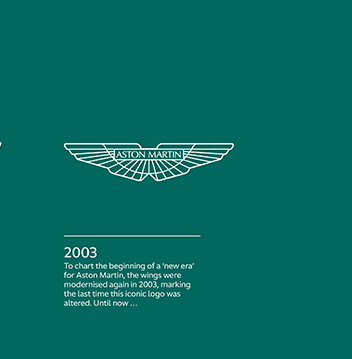
The Gaydon factory embodies Aston Martin's industrial renewal. In 2003 the marque opened its new headquarters and production site in Warwickshire: the very first factory built specifically for Aston Martin, after decades in the historic workshops of Newport Pagnell.

The Gaydon factory, cradle of the modern Aston Martin

Gaydon changed the scale of the operation. Modern and capable of unprecedented volumes, the site became the cradle of a new generation: the DB9, the V8 Vantage and then most of the contemporary range were built there. Build quality rose to match the marque's global ambitions.

More than twenty years later, the Gaydon factory remains the industrial heart of Aston Martin. Its opening in 2003 marked the shift from a confidential craft to a modern manufacturer, without abandoning the know-how that makes the marque unique.

The Deep Green
2003 · Logo

The Deep Green

Deep green took hold on the Aston Martin badge with the move to Gaydon, in the early 2000s. The marque adopted a dark, timeless green that became one of its signature colours, echoing the British Racing Green so dear to British motorsport.

Deep green: a signature colour

This chromatic choice was no accident. Deep green evokes at once discreet elegance, British tradition and a racing heritage. On the emblem as on certain bodywork, it gives Aston Martin an immediately recognisable identity, restrained and thoroughbred.

Deep green accompanied the marque's industrial renewal at Gaydon, where a new generation of models was born. A prestige colour, it contributes to the upmarket image the marque has cultivated since, and remains tied to its contemporary winged badge.

2004 · Compétition

Aston Martin Racing

Aston Martin Racing marked the marque's official, structured return to competition. In 2004, Aston Martin created this dedicated arm in partnership with Prodrive, David Richards's British team, to run its endurance programme. A new sporting era was opening.

Aston Martin Racing and the DBR9

The programme first took shape in the DBR9, a racing version of the DB9 developed for the GT1 category. A track weapon built for endurance, it would fly the marque's colours on the great circuits of the world, from Le Mans to the GT championships. Its very name nodded to the glorious DBR1 of 1959.

Aston Martin Racing professionalised the marque's sporting effort and reconnected Aston Martin with its heritage: that of a maker which proves itself on the track. This structured return would pave the way for GT1 success in the seasons that followed.
2000's
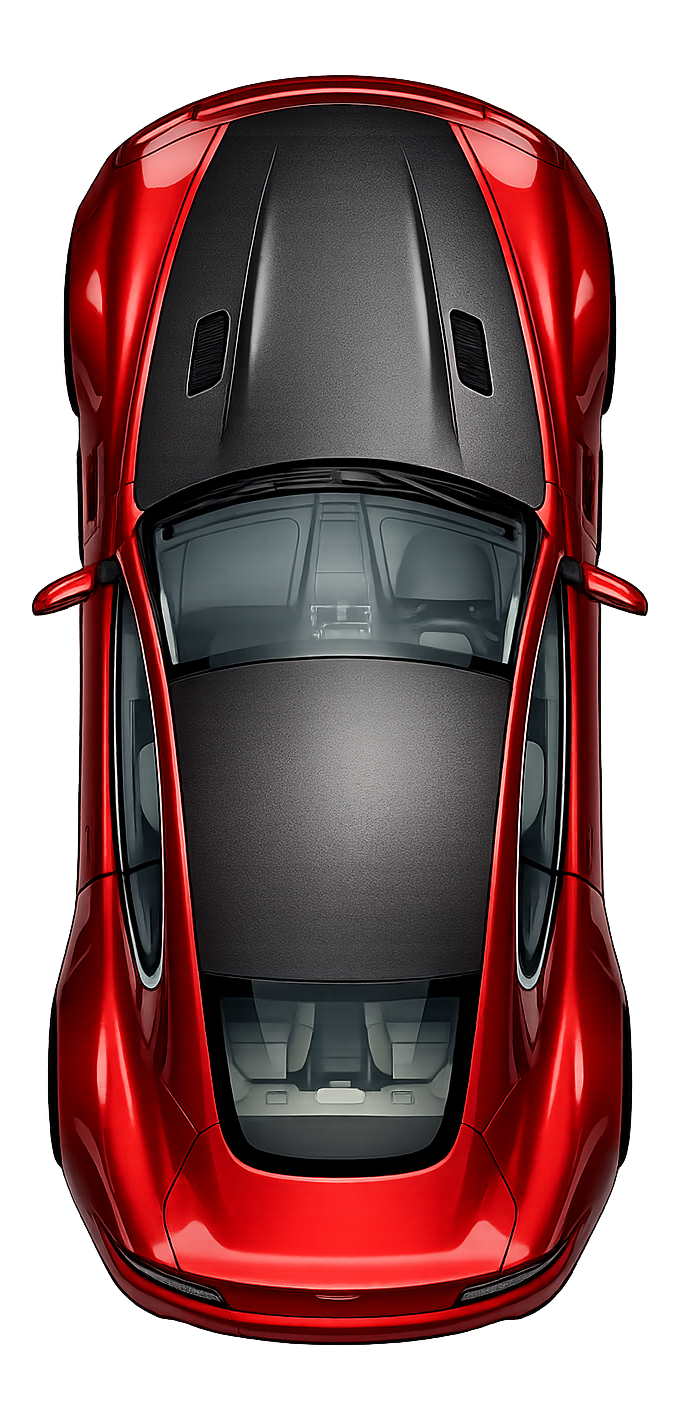
DB9 — vue de dessus
DB9
2004 –16
Puissance
517 ch
0–100 km/h
4.6 s
Vitesse max
295 km/h
Exemplaires
16722
View profile
V8 Vantage (2005) — vue de dessus
V8 Vantage (2005)
2005 –18
Puissance
426 ch
0–100 km/h
4.8 s
Vitesse max
280 km/h
Exemplaires
18000
View profile
2007 · Compétition

Le Mans: The GT1 Class

The GT1 class at Le Mans brought Aston Martin fresh laurels. At the wheel of the DBR9, the marque won this premier GT category at the Le Mans 24 Hours in 2007 and again in 2008. Two consecutive successes that cemented the credibility of Aston Martin Racing.

The GT1 class at Le Mans: two wins in a row

These triumphs were not outright victories — reserved for the prototypes — but they counted for a great deal in the GT world, where the great sports-car marques do battle. For Aston Martin, beating the competition on the endurance stage and in its category of choice was a demonstration of know-how.

The GT1 class at Le Mans confirmed the wisdom of the sporting return launched in 2004. It firmly re-established Aston Martin among the benchmarks of modern endurance racing and set the stage for new ambitions, up to the plan to return to the top class.

2007 · Société

The Richards Consortium

The Richards consortium gave Aston Martin back its independence. In March 2007, after twenty years under Ford, the British marque was sold to a group of investors led by David Richards, founder of Prodrive and a respected figure in motorsport. Alongside him were Kuwaiti investors who provided the necessary capital.

The Richards consortium: a return to independence

For the first time in decades, Aston Martin no longer belonged to a large industrial group but to shareholders directly attached to the marque. This regained independence came with a determination to build on the heritage and prestige, while keeping the industrial momentum inherited from the Ford era, notably the Gaydon factory and the modern range.

The Richards consortium thus opened a pivotal period: that of an independent marque which, in the years that followed, would have to find new technical and financial partners to keep pace with far more powerful rivals.

2000's
DBS — vue de dessus
DBS
2007 –12
Puissance
517 ch
0–100 km/h
4.3 s
Vitesse max
307 km/h
Exemplaires
3400
View profile
One-77 — vue de dessus
One-77
2008 –12
Puissance
750 ch
0–100 km/h
3.7 s
Vitesse max
354 km/h
Exemplaires
77
View profile
Cygnet — vue de dessus
Cygnet
2009 –13
Puissance
98 ch
0–100 km/h
11 s
Vitesse max
175 km/h
Exemplaires
150
View profile
2000's
V12 Vantage — vue de dessus
V12 Vantage
2009 –18
Puissance
517 ch
0–100 km/h
4.2 s
Vitesse max
305 km/h
Exemplaires
2500
View profile
2010
2010's
Rapide — vue de dessus
Rapide
2010 –20
Puissance
560 ch
0–100 km/h
4.9 s
Vitesse max
303 km/h
Exemplaires
3495
View profile
Vanquish Mk2 — vue de dessus
Vanquish Mk2
2012 –18
Puissance
573 ch
0–100 km/h
4 s
Vitesse max
324 km/h
Exemplaires
3800
View profile
2013 · Société

The Mercedes Partnership

The Mercedes partnership profoundly reshaped the modern Aston Martin. In 2013 the British marque struck a technical agreement with Daimler and its Mercedes-AMG division. The German group took a minority stake and committed to supplying key components: AMG-derived V8 engines and advanced electronic systems.

The Mercedes partnership: engines and electronics

For Aston Martin, whose research and development resources remained limited against the industry's giants, the deal was vital. It gave access to modern technology — onboard electronics, powerful and compliant engines — without having to develop it alone. This was the foundation that would shape the DB11 generation, launched in 2016, then the Vantage and the DBX.

The Mercedes partnership illustrates a strategy that has become common among small prestige carmakers: preserving identity and style while relying on a large group's engineering for the invisible but crucial parts of the car.

2010's
DB10 — vue de dessus
DB10
2014 –15
Puissance
426 ch
0–100 km/h
4.5 s
Vitesse max
280 km/h
Exemplaires
10
View profile
Lagonda Taraf — vue de dessus
Lagonda Taraf
2014 –19
Puissance
540 ch
0–100 km/h
4.4 s
Vitesse max
290 km/h
Exemplaires
200
View profile
Vulcan — vue de dessus
Vulcan
2015 –16
Puissance
820 ch
0–100 km/h
3 s
Vitesse max
360 km/h
Exemplaires
24
View profile
2010's
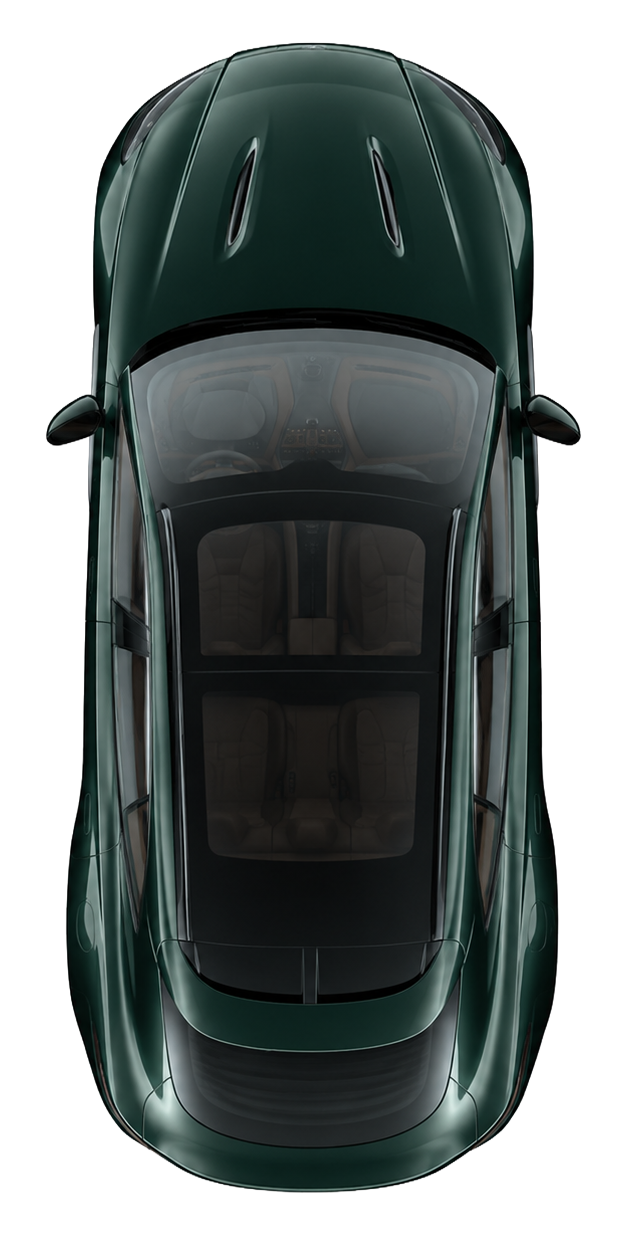
DB11 — vue de dessus
DB11
2016 –23
Puissance
630 ch
0–100 km/h
3.9 s
Vitesse max
334 km/h
Exemplaires
5000
View profile
2018 · Société

The Stock Market Listing

The Aston Martin IPO was one of the major financial events of the marque's recent history. On 3 October 2018, Aston Martin floated on the London Stock Exchange as Aston Martin Lagonda Global Holdings plc. For a maker long confidential and fragile, it was as much a symbolic milestone as a risky bet.

The Aston Martin IPO: ambition and fragility

The flotation aimed to give the marque the means for its global ambitions and to reward its industrial recovery. Yet a public listing also exposed Aston Martin to market pressure, at a time when profitability remained fragile and competition fierce in the luxury car segment.

The Aston Martin IPO thus marked the step up to a new dimension: that of a listed company, scrutinised by investors, which would have to reconcile financial demands with the artisanal and sporting soul that has set the marque apart from the very beginning.

2010's
Vantage MkII — vue de dessus
Vantage MkII
2018
Puissance
665 ch
0–100 km/h
3.5 s
Vitesse max
325 km/h
View profile
DBX — vue de dessus
DBX
2019
Puissance
542 ch
0–100 km/h
4.5 s
Vitesse max
291 km/h
View profile
2020
2020 · Société

The Arrival of Lawrence Stroll

The arrival of Lawrence Stroll redefined Aston Martin's future. In early 2020, with the marque facing serious financial trouble, the Yew Tree consortium led by the Canadian billionaire invested heavily and took the executive chairmanship. It was the start of a deep strategic refocus.

The arrival of Lawrence Stroll: refocus and Formula 1

Under his lead, Aston Martin recapitalised, tightened its range and prioritised desirability over volume. Above all, Stroll brought the marque's name back to Formula 1: the Aston Martin Aramco team returned to the world championship, a high-profile technological and marketing showcase.

The arrival of Lawrence Stroll illustrates a new way of saving Aston Martin: no longer through money alone, but through a deliberate brand strategy, where top-level motorsport and luxury positioning serve a single ambition. Financial challenges remain real, but the trajectory has been clearly repositioned.
2021 · Compétition

The Return to Formula 1

Aston Martin's return to Formula 1 is one of the most visible bets of its modern era. In 2021, for the first time since 1960, the marque brought its name back to the pinnacle of motorsport, turning an existing team on the grid into the Aston Martin outfit.

The return to Formula 1: a global showcase

Driven by Lawrence Stroll, this return aims as much at sporting performance as at the marque's profile. Formula 1 offers incomparable worldwide exposure, ideal for anchoring the Aston Martin image with a global audience and supporting its move upmarket.

The return to Formula 1 remains a long-term project: building a competitive team against historic rivals takes time and considerable investment. But the symbolism is powerful, and it links today's Aston Martin to its heritage as a racing marque.

2020's
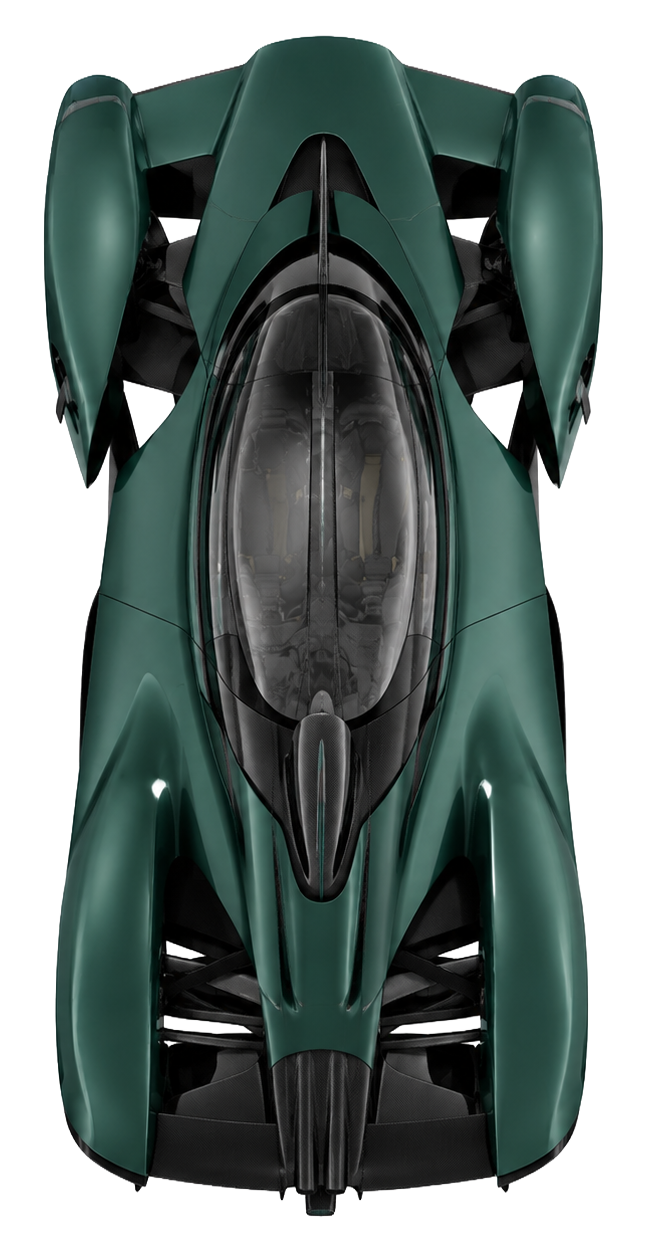
Valkyrie — vue de dessus
Valkyrie
2021
Puissance
1139 ch
0–100 km/h
2.5 s
Vitesse max
402 km/h
Exemplaires
150
View profile
The New Badge
2022 · Logo

The New Badge

Aston Martin's new badge was unveiled in the early 2020s. It was the first true redesign of the emblem in some twenty years: the wings were simplified and the drawing pared back, for a cleaner result better suited to screens and digital uses.

The new badge: purer wings

The logic remained the one that has always guided the marque: evolve without disowning. Superfluous lines disappeared and proportions were revised, but the spirit of the winged badge stayed intact. The emblem gained in modernity while keeping its aura of prestige and its instant recognition.

The new badge accompanies Aston Martin's upmarket repositioning and its return to Formula 1. It stands for a marque that looks to the future while embracing a century of heritage, faithful to the graphic thread stretched since the first wings of the 1920s.

2020's
DB12 — vue de dessus
DB12
2023
Puissance
680 ch
0–100 km/h
3.6 s
Vitesse max
325 km/h
View profile
Vanquish Mk3 — vue de dessus
Vanquish Mk3
2024
Puissance
835 ch
0–100 km/h
3.2 s
Vitesse max
345 km/h
View profile
Valhalla — vue de dessus
Valhalla
2024
Puissance
1064 ch
0–100 km/h
2.5 s
Vitesse max
350 km/h
Exemplaires
999
View profile
2025 · Compétition

The Return to the Top at Le Mans

The return to the top at Le Mans is the most symbolic ambition of the contemporary Aston Martin. With the Valkyrie, its hypercar born of a Formula 1 philosophy, the marque aims to come back and contest the premier category of the Le Mans 24 Hours, the one that fights for outright victory.

The return to the top at Le Mans with the Valkyrie

Entering a car in the top class of modern endurance racing means reconnecting with the spirit of 1959, when the DBR1 triumphed at the Sarthe. It is also a colossal challenge: competition from the major manufacturers is fierce, and success can only be measured over time, race after race.

The return to the top at Le Mans therefore remains an ambitious project whose outcome belongs to the future. But it says a great deal about today's Aston Martin: a marque that, true to its DNA, once again wants to measure itself against the best on the most demanding of stages.