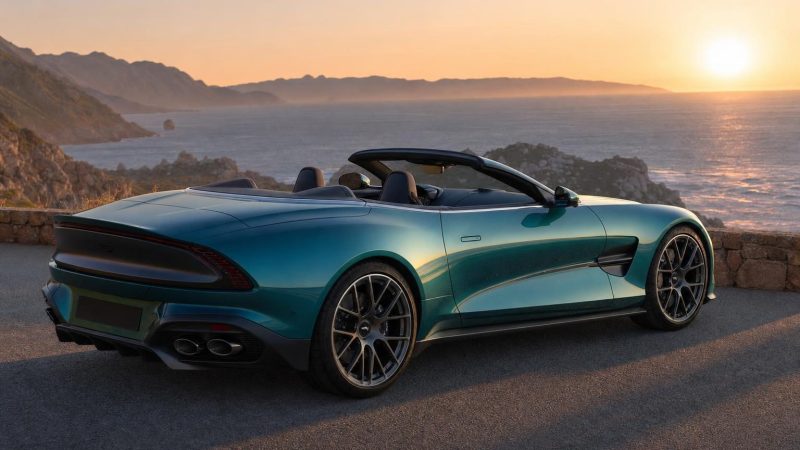
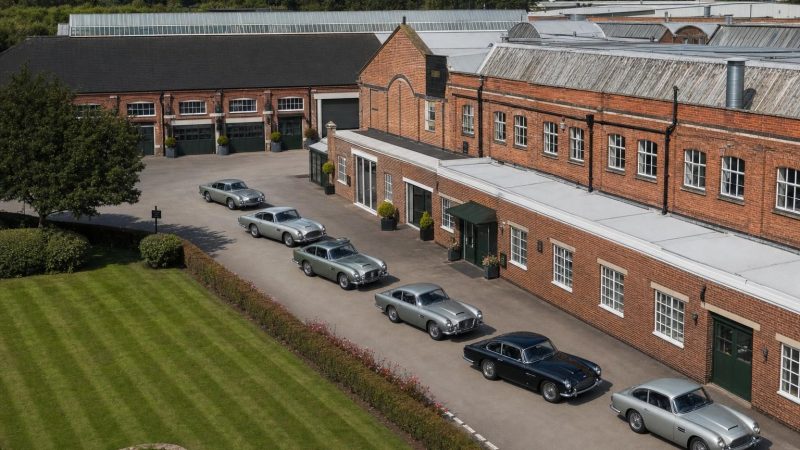
James Bond examines 4 Aston Martin cars from the Daniel Craig era, including the modern DBS, the DB10 created for Spectre, and the heritage DB5, to understand a revived connection.
James Bond, during the Daniel Craig era, reconnected with Aston Martin by intelligently articulating the legacy of the DB5 and contemporary models, from the DBS coupe to the DB10. This article dissects this cultural and visual shift: why these cars, how they were filmed, and what this choice says about the DNA of 007 as well as Aston Martin’s strategy. Drawing on specialised sources (ScreenRant, The Conversation, jamesbondlifestyle), we analyse the heritage continuity and modern momentum initiated as early as Casino Royale, leading to the strong return of classics in No Time To Die.
Casino Royale 2006: The DBS V12 and the Record Roll
In Casino Royale (2006), Daniel Craig takes the wheel of a contemporary Aston Martin DBS V12. According to ScreenRant, this appearance is famous for a stunt where the agent brakes sharply to avoid Vesper, triggering a spectacular roll. The staging reaffirms a more physical, vulnerable Bond, anchoring the character in an era of raw action, with a supercar that matches this choice.
This technical and aesthetic choice is significant: the DBS embodies the stylistic and mechanical language of the mid-2000s, more angular and athletic than the British GTs of previous decades. In terms of imagery, the Aston is an extension of the transformation of 007 brought about by the reboot: strong, fast, without superfluous ostentation. The association becomes organic again, without pastiche.
The roll scene also fits into the iconography of the “realistic” stunts of the Craig era. Rather than multiplying implausible gadgets, the staging relies on visual impact and mechanical credibility. In this respect, the DBS becomes a character in its own right: a contemporary sports car used to the limit, without distorting its primary function.
The DB5 Won in Poker, a Nod to Goldfinger
Casino Royale also features a classic DB5, won by Bond in a game, as a direct homage to Goldfinger (sources: ScreenRant, The Conversation). This dual register – a contemporary Aston for action, a heritage DB5 for memory – seals the visual grammar of the Craig era. The tension between modernity and heritage makes the nod effective without freezing the narrative in nostalgia.
The DB5 is not just a relic: it is a cultural totem. The Conversation and jamesbondlifestyle remind us that it has appeared in eight films: Goldfinger, Thunderball, GoldenEye, Tomorrow Never Dies, Casino Royale, Skyfall, Spectre, and No Time To Die. This record grants the car a unique status in pop culture, beyond just the automobile.
In Skyfall, The Conversation highlights that the DB5 receives iconic equipment – integrated machine guns in the front bumpers and an ejector seat – before being destroyed by Silva’s men. The sequence, designed as an emotional shock, demonstrates the narrative power of this object: striking the DB5 is to touch the legend of Bond. It will later be reborn, reminding us of the resilience of the 007 mythology as well as that of Aston Martin.
Spectre: The DB10 Designed Specifically for the Film
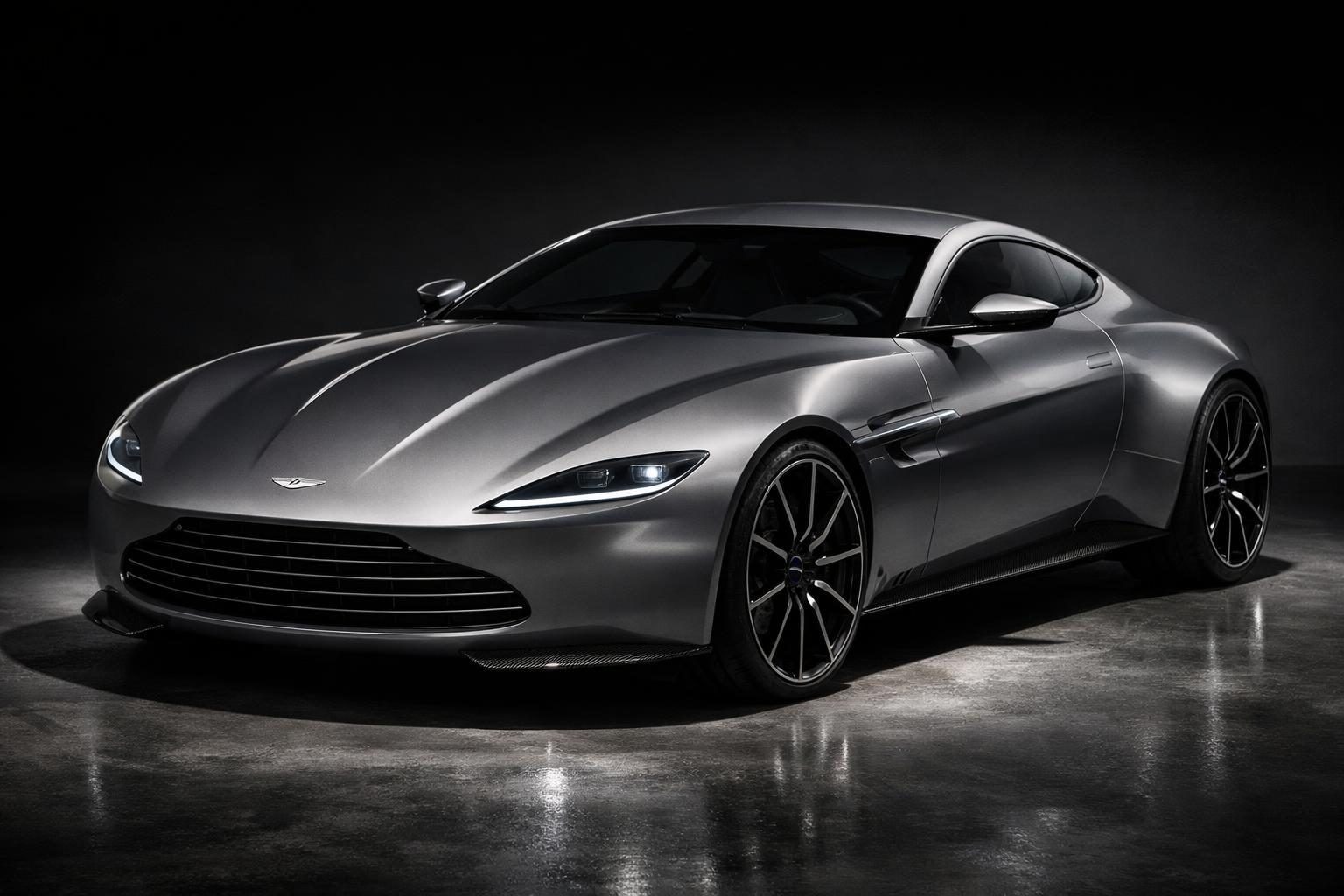
In Spectre (2015), Bond drives a DB10 designed specifically for the film, before reuniting with his DB5 repaired by Q (source: ScreenRant). The DB10 is not a production model: it is a silhouette crafted for the screen, externalising the idea of a cinematic concept car. With this gesture, Aston Martin signs a unique piece tailored to the dramatic needs of 007, while extending the brand’s DNA.
The DB10/DB5 duo condenses the visual strategy of the Craig era. The former symbolises avant-garde and bespoke design, while the latter recalls the founding icon. The secret agent literally moves between future and past, as if his own identity plays out at the junction of these two poles. For Aston Martin, it is an opportunity to showcase design expertise while capitalising on collective memory.
This back-and-forth nourishes a cultural reading: the DB10 asserts the role of cinema as a laboratory of images for the brand, while the DB5 guarantees heritage anchoring. Together, they establish a credible continuum between innovation and tradition – a dialectic at the heart of the enduring appeal of the franchise and the manufacturer.
No Time To Die: The Grand Return of Classics and the DB5
No Time To Die reaffirms this dual movement by bringing the DB5 back to the forefront. According to jamesbondlifestyle and The Conversation, the 1963 GT appears again, extending a screen presence that began with Goldfinger. The car plays an emotional landmark role in the final chapter of the Craig era, re-inscribing 007 in a narrative of transmission and closure.
The return of the classics occurs in a context where the historical object becomes a vector of narrative. The DB5 is not just a beautiful body: it is a narrative thread that the audience follows from film to film. This continuity allows the saga to resonate with multiple generations, while offering Aston Martin visibility that transcends time.
The restoration dynamic illustrated by the DB5 “repaired by Q” (ScreenRant) extends this logic. It shows that the icon can be damaged, lost, and then reborn, like a living heritage. It is a powerful language for a brand that values historical pieces, including through specific programmes.
Why Aston Martin and 007 Make the Ideal Product Placement
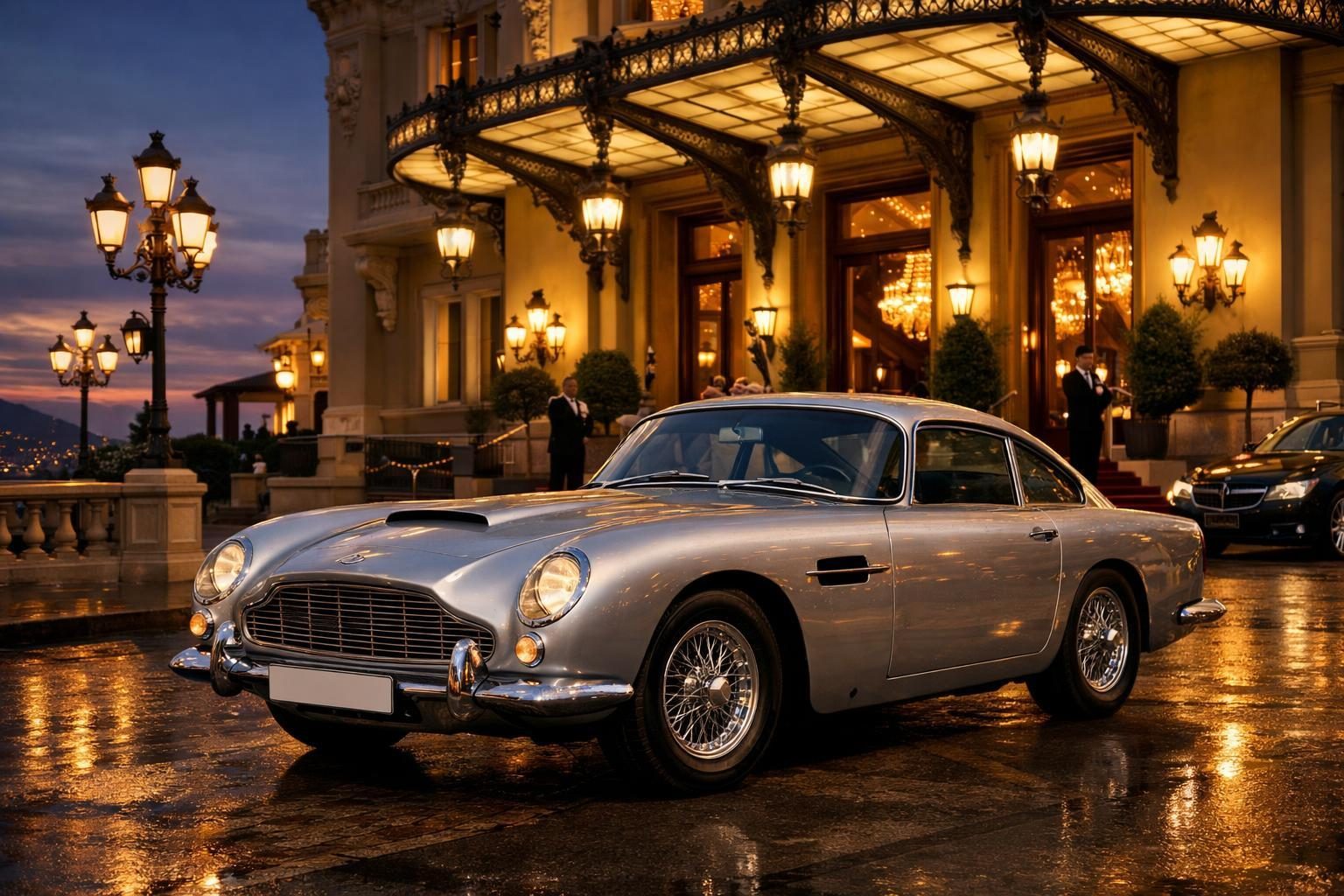
The link between Aston Martin and 007 rests on a match between character, design, and narrative. The DB5, appearing in eight films (The Conversation, jamesbondlifestyle), acts as a transferable symbol from one actor to another: beyond the interpreter, the car embodies the continuity of James Bond. This rare transferability makes the GT an exceptional brand amplifier.
At the same time, the Craig era has proven that a modern model can coexist with the icon. The DBS from Casino Royale and the DB10 from Spectre demonstrate, according to ScreenRant, the franchise’s ability to integrate a contemporary car into a muscular narrative, without distorting the grammar of 007. The brand then benefits from exposure that combines heritage prestige and current desirability.
The cultural impact extends beyond the screen. The Conversation and jamesbondlifestyle remind us that in 2020, Aston Martin produced 25 DB5 Goldfinger Continuation models, sold for around £2.75 million and not road-legal. This programme illustrates the monetisation of a shared imagination: creating a “functional legend” for collectors, nourished by screen appearances. The loop between cinema, myth, and product is embraced.
This synergy is visible in official and editorial resources. The Aston Martin DB5 vehicle page on the 007 site summarises the GT’s footprint in the saga, while the Wikipedia page dedicated to the Aston Martin DB5 situates the model in automotive history. To delve deeper, explore our in-house dossier on sixty years of connections between Aston Martin and 007, which places each appearance in its context.
Key Points and Further Insights on the Models
To better follow the heritage/modern duality, return to the model sheets. Our page dedicated to the DB5, the timeless icon of Aston Martin, gathers key points to understand why this GT embodies the essence of British elegance on screen as well as on the road.
In contrast, the DB10, created specifically for Spectre, sheds light on the conceptual dimension of the movie car. Even without a commercial career, it crystallises a specific design intention and dramatic role unique to the Craig saga.
- DB5 on Screen (8 films) — Goldfinger, Thunderball, GoldenEye, Tomorrow Never Dies, Casino Royale, Skyfall, Spectre, No Time To Die (The Conversation, jamesbondlifestyle).
- Skyfall — Machine guns in the front bumpers and ejector seat, before destruction by Silva’s men (The Conversation).
- Continuation 2020 — 25 DB5 Goldfinger Continuation models, ~£2.75 million, not road-legal (jamesbondlifestyle, The Conversation).
Conclusion: James Bond, Between DB5 Heritage and Mastered Modernity
Throughout the Daniel Craig era, James Bond has redefined his duo with Aston Martin by layering two registers: the DB5 icon, an emotional landmark cited by The Conversation and jamesbondlifestyle, and contemporary creations (DBS, DB10) highlighted by ScreenRant. This articulation has revived the myth without freezing it, offering the franchise visual coherence and the brand a unique narrative setting.
Ultimately, James Bond functions as a revealer: the classic GT measures the heritage, while the recent sports car embodies the momentum of the present. Between the two, the saga traces a rare continuity, transforming each appearance of Aston Martin into a chapter of a shared story, both cinematic and automotive.