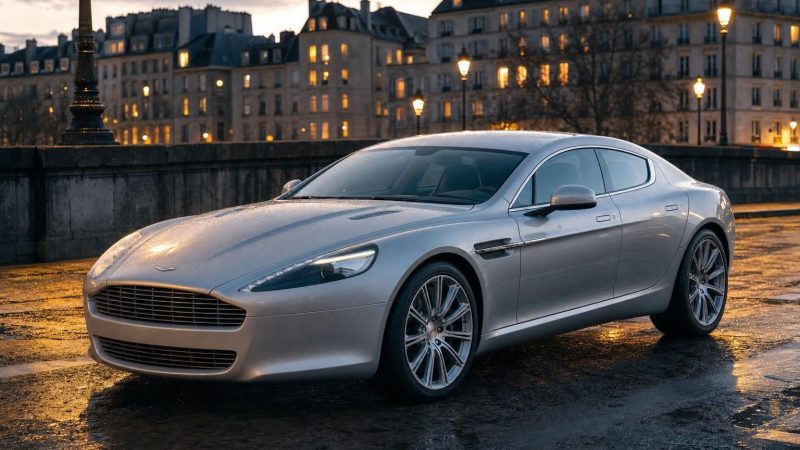
Rapide 2010: four cylinders, four doors, ambition intact—yet the market didn’t follow. A look back at the Aston Martin saloon that still divides opinion.
Rapide, or the art of shaking up Aston Martin habits: this four-door, V12 saloon, launched in 2010, tried to open up a niche as logical on paper as it was delicate in practice. We revisit its atypical gestation, its technical choices, its internal duel with the DB9, then the 2013 Rapide S relaunch attempt, before assessing the value of the examples on the road today.
Genesis: from the 2006 Jet concept to production in Austria
In autumn 2006, the Jet 2 concept shown at the Frankfurt show gave a foretaste of a four-door Aston inspired by the marque’s GTs. The idea was clear: stretch the brand’s elegant DNA into a more habitable format without denying the look of a coupé. According to Wikipedia, this concept served as the clutch for a development that was longer than expected, a prelude to series production from 2010.
For industrialisation, the marque entrusted assembly to Magna Steyr in Graz. It was a first in the Gaydon era: while other Astons rolled out of England, the Rapide took the road to Austria. This choice, documented by Wikipedia, met capacity and flexibility constraints while embracing small-series manufacture.
The timetable took shape between 2010 and 2015, with a major update in 2013. Running through it all was a demanding equation: preserve a coupé silhouette, offer two genuine rear seats, and maintain that veneer of understatement so dear to the marque.
Four doors, 470 PS, 295 km/h: a spec sheet that made waves
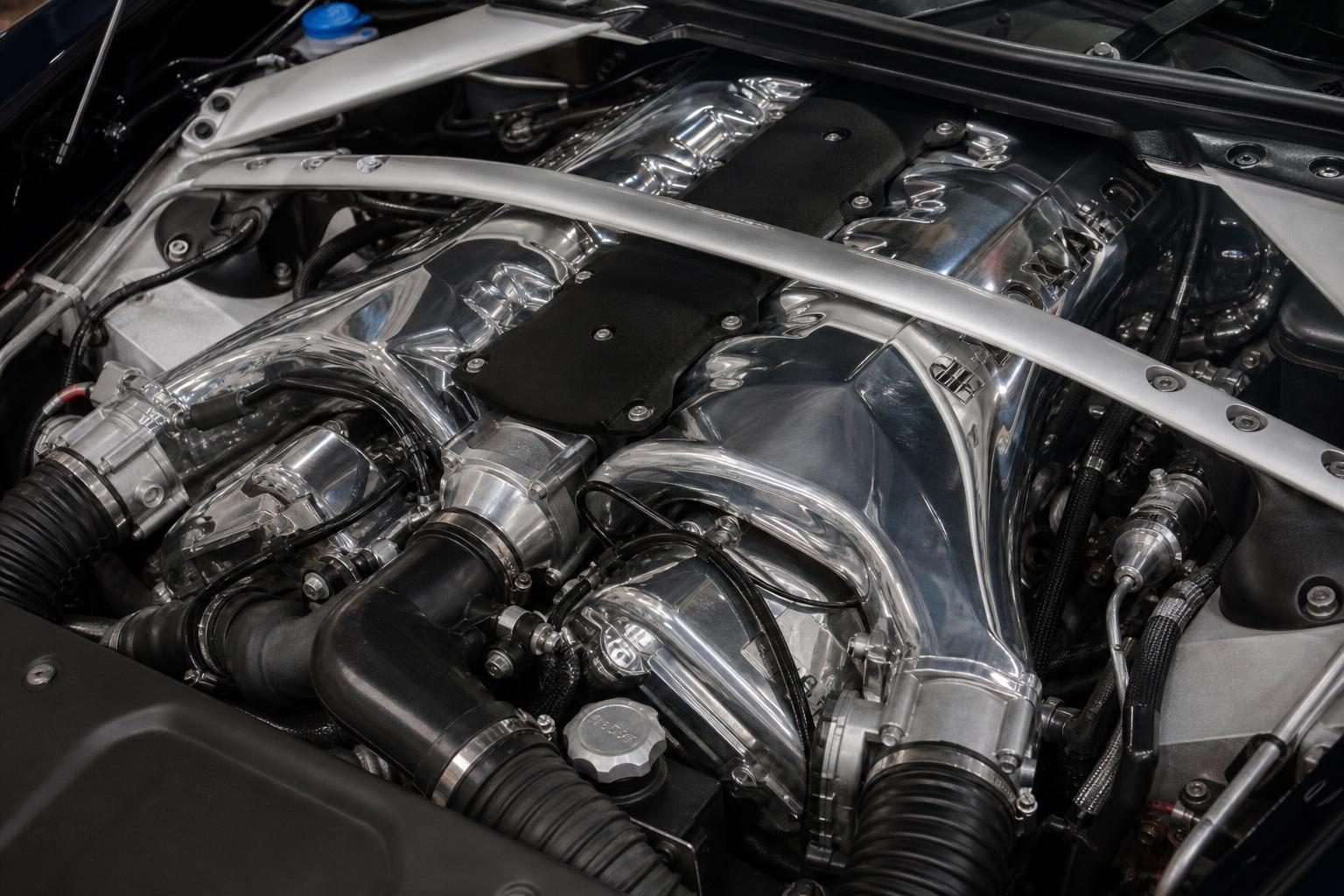
Mechanically, the Rapide claimed a naturally aspirated 6.0-litre V12 with 470 PS at launch. The stated top speed brushed 295 km/h, while the length reached 5,019 mm, making it the longest series-production Aston of its time, according to Wikipedia. The message was crystal clear: it was indeed a GT, but with two extra doors and a bonnet worthy of the grand house traditions.
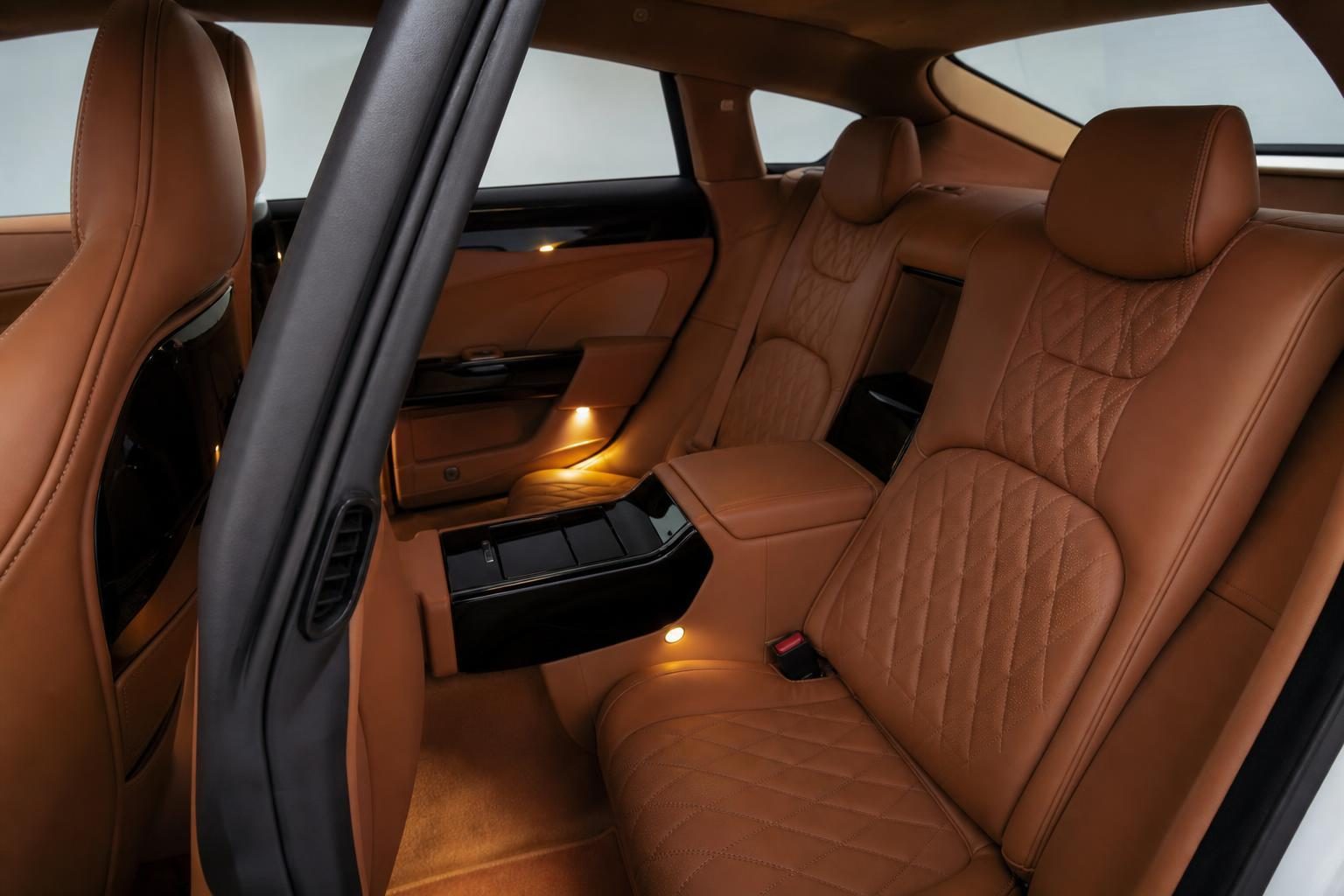
The architecture stayed true to British grand touring, with balanced weight distribution and an interior tailored for very high-speed travel. Two usable rear seats, graceful apertures and a profile that remained that of a coupé… On paper, the Rapide ticked the boxes to attract hurried, aesthetic-minded families.
In practice, the proposition addressed a narrow audience. The five-metre-plus footprint, modest rear headroom and resolutely GT approach placed it halfway between an executive saloon and a four-seat coupé. A grey area that customers sometimes struggled to decode.
Why buyers preferred the DB9: positioning compared
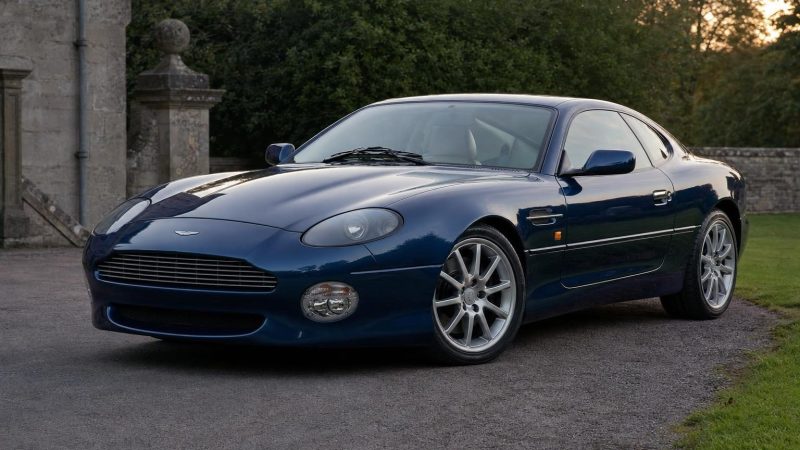
Against the DB9, Aston’s grand touring coupé benchmark, the Rapide had to justify its two extra doors without diluting the emotion. Yet the DB9 already concentrated the essence of the sought-after experience: a noble V12, a purist line, and an image crystallised by a decade of success. Most buyers judged that the occasional rear seats of a coupé sufficed, preferring the icon to the newcomer.
The difference in length and mass, as well as the more utilitarian message – however discreet – of the saloon may have weighed in the balance. In real-world use, the added versatility did not eclipse the emotional pull of the DB9. Implicitly, the Rapide highlighted a house bias: at Aston, the coupé’s irrational appeal often trumps the rationality of a four-door GT.
In the market of the time, the rival offering did not overlap perfectly, further complicating the reading of its positioning. The Rapide addressed exacting aesthetes, willing to accept habitability compromises in exchange for a preserved silhouette. Many preferred to stay on the DB9 side, as shown by the model’s enduring renown, detailed in our DB9 profile.
The 2013 Rapide S: a course correction that didn’t change sales verdicts
In 2013, the Rapide S brought a substantial power increase, quoted at 558 PS (source Wikipedia). The facelift aimed to assert character and flesh out the offer without denying elegance. The promise: more response and a more assured visual presence, while preserving the GT philosophy.
Even so, the essentials did not change: footprint, architecture and use case remained close. Customers already won over by the Rapide saw a welcome update. The fence-sitters stayed loyal to the house coupé. The repositioning, real on the technical front, did not materially alter the commercial trajectory.
In total, Wikipedia mentions around 1,500 examples produced between 2010 and 2015, a figure not officially confirmed by Aston Martin in the sources consulted. A low-key run, revealing a niche as singular as it was narrow for this model.
Values and today’s market: what the c.1,500 examples are worth
With production estimated at around 1,500 units over the full cycle, the Rapide now occupies a niche coveted by contrarian Aston enthusiasts. Its relative rarity and naturally aspirated V12 speak for it, while its lukewarm period positioning has become a discreet charm on the secondary market.
Well-maintained examples, with clear history and understated specification, draw the most interest. The more powerful Rapide S appeals to those seeking a firmer reading of the concept. In an era of standardised forced induction, the linear character of the atmo V12 adds both use-value and image.
To place this model within the range and follow recent brand news, see our detailed Rapide profile and our breakdown of the 2025 Vantage and the DB12. History will remember a bold attempt, now a witty flourish in a well-kept collection.
Conclusion: what does the Rapide teach us about Aston Martin strategy?
The Rapide is a reminder that a GT crest does not mechanically transpose to a saloon, even an ultra-luxury one. Its genesis marked by the Jet 2 concept, its outsourced production in Graz at Magna Steyr, then the Rapide S evolution illustrate a coherent ambition but a market narrower than expected.
Technically accomplished, elegant and faithful to the house aesthetic, it nonetheless yielded to the emotional magnetism of the DB9. In this sense, the Rapide serves as a useful marker for understanding the limits of a four-door format within a marque whose soul remains that of the coupé.
For more, see the dedicated page on Wikipedia, a reference synthesis on the Rapide, and the Past Models Rapide section on the Aston Martin site. For a road-test counterpoint, Car and Driver’s analysis puts the model in its period context.
Ultimately, the Rapide earned its place in the family album not through volumes, but through the strategic lesson it imparts.