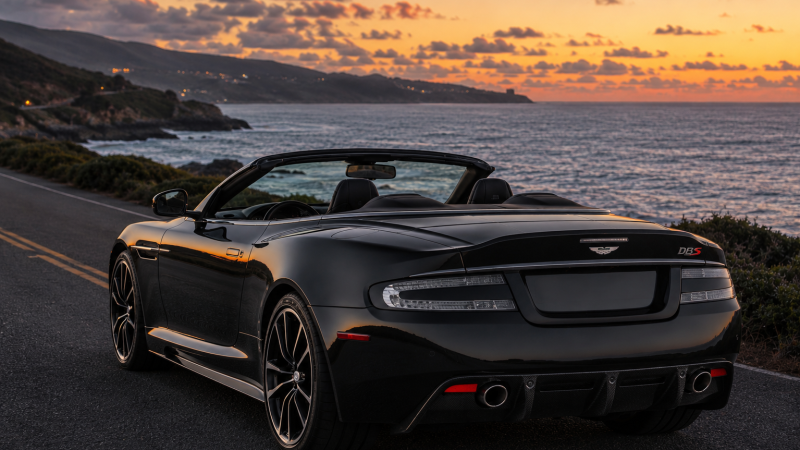
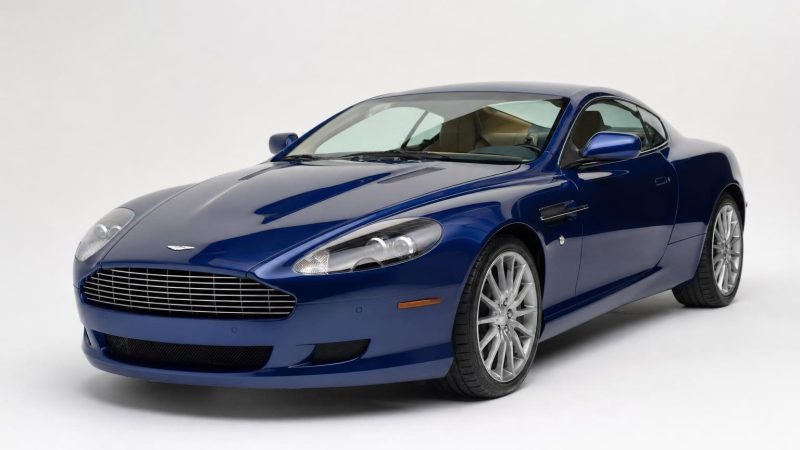
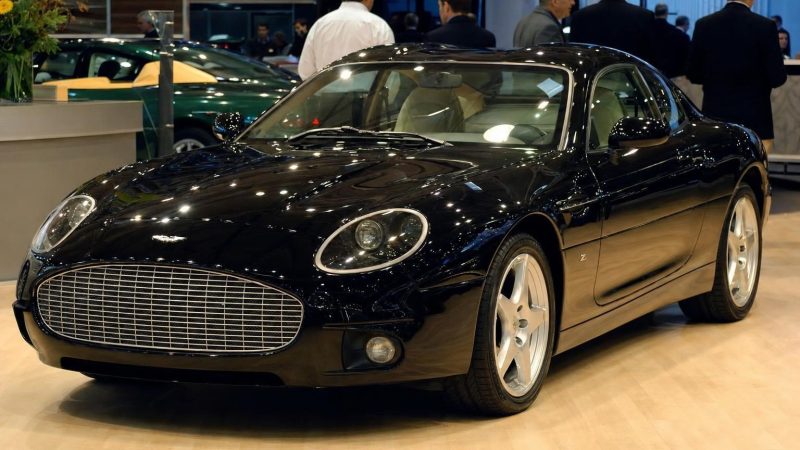
Rapide collection: technical markers, production at Magna Steyr, the contribution of the 2013 Rapide S, and keys to position this model against DB9 and DBS.
Rapide collection: for those seeking a characterful alternative to the DB9 and DBS, this four-door saloon born in the VH era offers a singular blend of shared engineering and distinct execution. This four-point guide sets clear markers to understand its technical base, its manufacture at Magna Steyr, the 2013 evolution with the Rapide S, and the elements to keep in mind before buying.
The VH platform and 6.0-litre V12: what the Rapide shares with the DB9 and what it does differently
The Rapide is based on the aluminium VH (Vertical Horizontal) platform, an architecture common to the DB9, DBS and Vantage according to AstonLegacy. This fundamental asset gives it a light, adaptable backbone and a direct technical kinship with Gaydon’s GTs. For a buyer, that means familiar sensations and ergonomics if you come from a DB9, with a chassis designed to last and evolve.
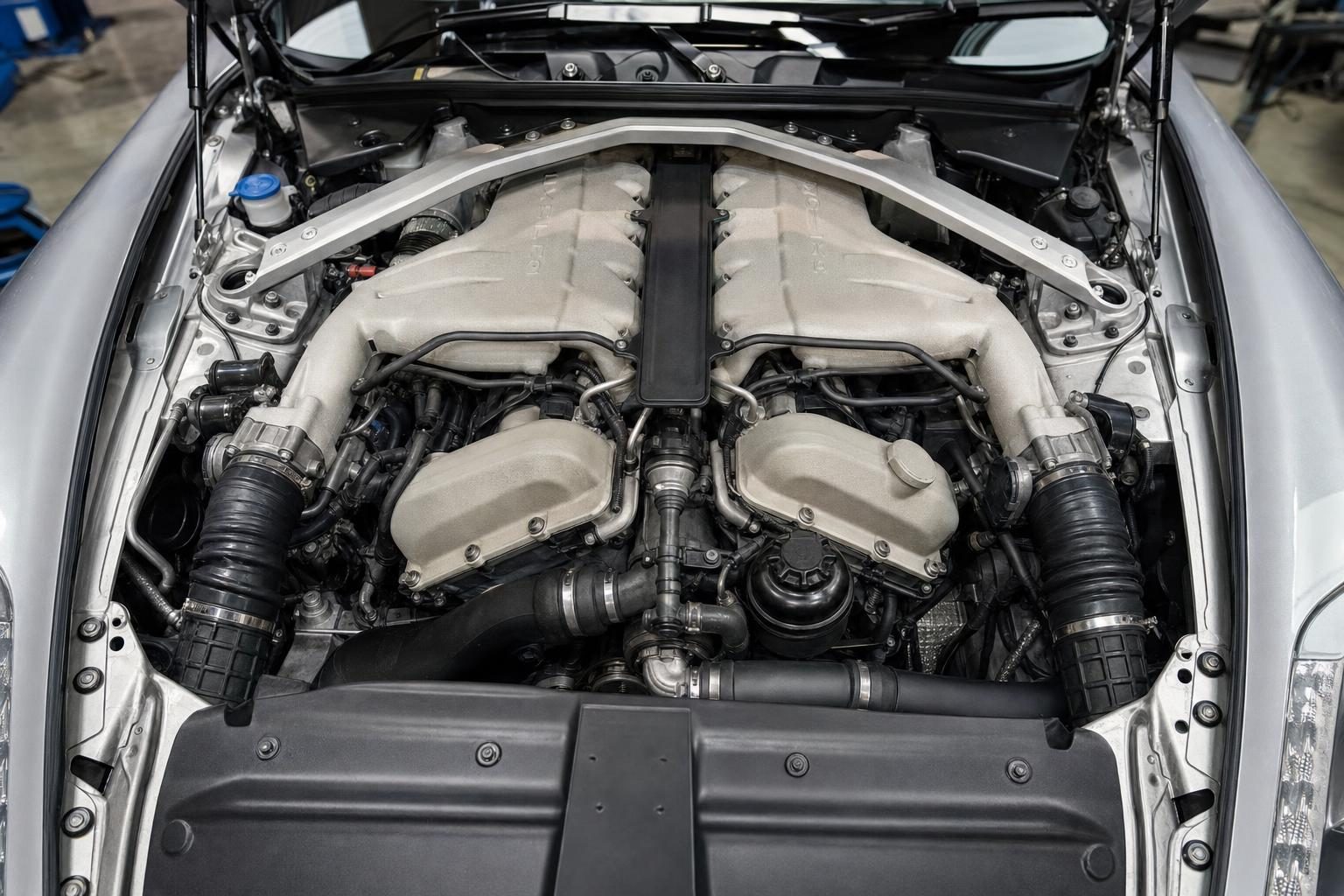
The 6.0-litre V12, aural and mechanical signature of the VH era, continues this theme. The Rapide thus shares the grand touring spirit of the cited coupés, while interpreting it in four doors. The interest for a collector lies in this technical proximity documented by AstonLegacy: a common base, but a silhouette and usage that shift the sliders without betraying the brand’s DNA.
What changes? The ambition to seat four real passengers, in a format that remains faithful to Aston Martin aesthetics. The project’s uniqueness also appears in its historical status: the Rapide remains the only Aston Martin four-door of the Gaydon era until the arrival of the DBX in 2019, notes AstonLegacy. A positioning that, on its own, makes it a one-off case in a collection.
The 4 production decisions that complicated manufacturing at Magna Steyr in Austria
The Rapide was built in Graz, at Magna Steyr, and not at Gaydon. This production choice, as AstonLegacy highlights, generated specific quality constraints. Transferring such a singular project outside the historic site necessarily brings process adaptations, tolerance adjustments and supplier coordination.
AstonLegacy points to “four production decisions” that complicated the model’s manufacture in Austria. Without entering into unpublished details, the key takeaway for the buyer is that the saloon followed an industrial path distinct from the DB9 and DBS assembled at Gaydon. This context explains why one closely evaluates each car’s execution and the coherence of its service history.
This detour via Graz also contributes to the Rapide collection aura. The car combines the shared VH base with a separate assembly line, reinforcing its difference within the lineage. This industrial singularity is neither a flaw nor a virtue in itself; it sets a framework for analysis when examining the car, its documentation and its maintenance history.
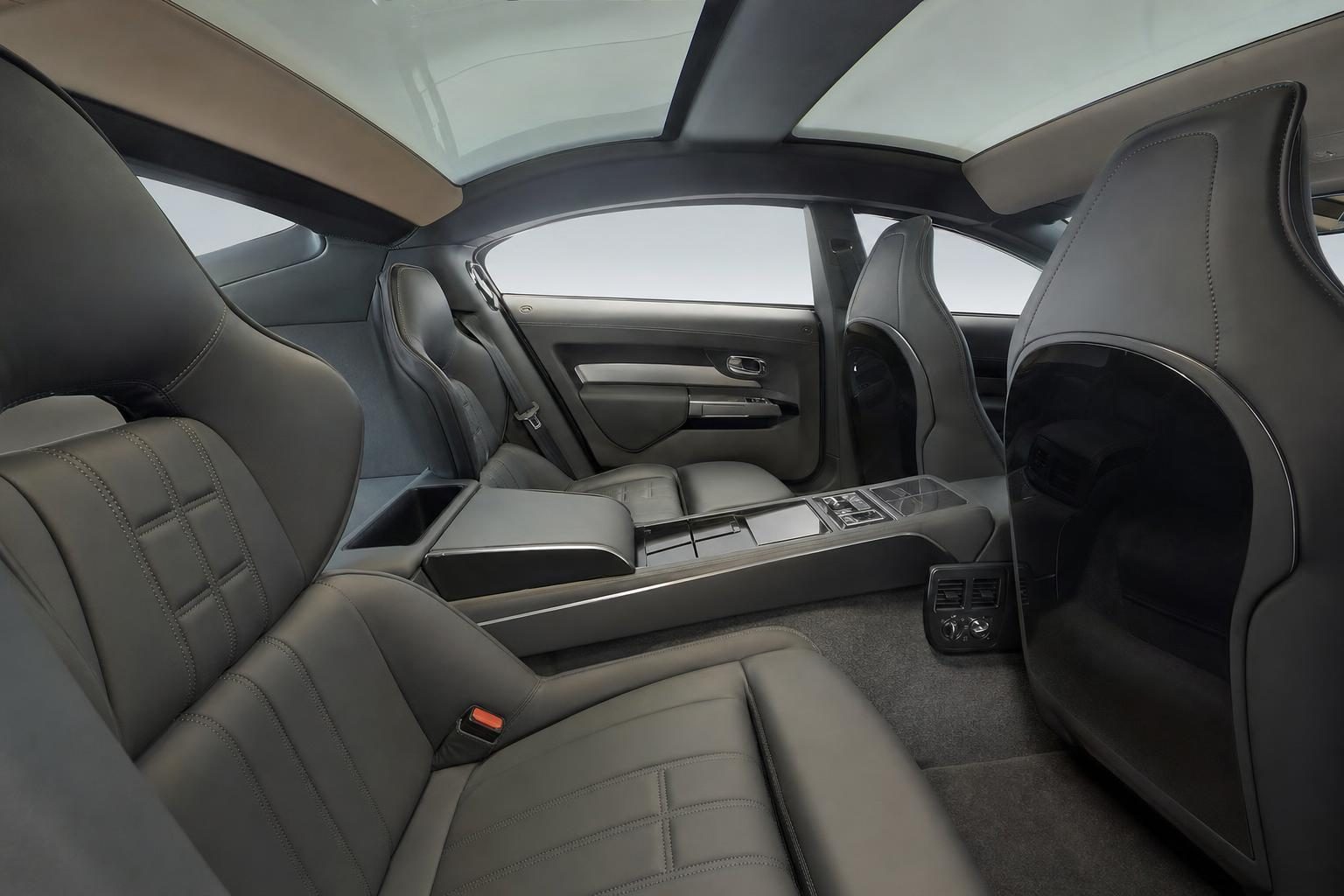
Rapide S 2013: the 6 technical changes that justify preferring this version on the used market
Launched in 2013, the Rapide S marks a decisive evolution. According to AstonLegacy, its power climbs to 560 PS and the power-to-weight ratio improves. For the buyer, this translates into a stronger response and increased effectiveness, while retaining the VH platform and V12 architecture.
AstonLegacy lists six technical evolutions that, for many buyers, justify preferring the S on the secondary market. Without detailing each point here, the power increase and optimisation of the chassis–powertrain package form the core of this case. From a Rapide collection perspective, this version logically tops the family for its level of maturity.
To broaden the comparison, the official Aston Martin past models page helps place the Rapide and Rapide S in their timeline and specification sheets, useful when pre-selecting examples. Access it via this resource dedicated to the brand’s past models: panorama des anciens modèles Aston Martin.
Mechanical and bodywork watchpoints: what Aston Martin specialists check first
AstonLegacy sources first stress the technical bedrock (shared VH platform) and the industrial context (assembly at Magna Steyr). Within this framework, specialists’ method is to compare each example with its specifications and history: conformity with the VH architecture, adherence to scheduled operations for the 6.0-litre V12, and coherence of recorded interventions.
Given the industrial detour via Graz entailed “specific quality constraints” according to AstonLegacy, a careful review of overall execution is essential: homogeneity of assembly, continuity of follow-up, and alignment with the maintenance milestones expected of a VH-era Aston. These are methodological principles rather than lists of typical faults, but they usefully frame a serious inspection.
To document your long-term study of the VH family, AstonLegacy offers a focus on the six models designed on this base over twenty years: plate-forme VH aluminium, six modèles en vingt ans. This read helps position the Rapide within a coherent technical lineage.
Values and liquidity: why the Rapide often trades below the DB9 despite its 4 seats
The Rapide’s positioning versus the DB9 and DBS is first understood by its very nature: a four-door on the VH base, the only one of its era until the DBX in 2019 (AstonLegacy). Its typological rarity is a factor of interest in collecting, while its technical kinship with Gaydon coupés provides familiar markers for buyers.
When assessing a Rapide collection car, three factual elements from AstonLegacy intersect: the shared VH base, production at Magna Steyr, and the substantial 2013 evolution with the Rapide S. These points structure analysis of demand and supply, without presuming a quantified price hierarchy. Above all, they explain how a buyer arbitrates between a two-door GT and a four-door with shared DNA.
To complete your documentary framework, two concise resources help place the Rapide in the brand’s recent history: the page of présentation historique de la Rapide and its French counterpart Aston Martin Rapide sur Wikipédia. They offer a useful overview to be cross-checked with AstonLegacy’s analyses and each car’s documentation.
Finally, a look through our internal files sheds product light on the subject. For an overview of the model, see our Rapide focus and, for 2013, the six reasons for the Rapide S. To be viewed in perspective with the VH genealogy detailed here: six models in twenty years.
Conclusion: what to remember for the Rapide collection
A Rapide collection car is best appreciated with three concrete keys from AstonLegacy: the VH platform shared with DB9/DBS/Vantage, manufacture at Magna Steyr in Graz and, from 2013, the decisive contribution of the Rapide S (560 PS and a better power-to-weight ratio). It’s the combination of these elements that guides the selection of a good example.
Whether you come from a DB9 or seek a four-door Aston, the rational approach is to compare a specific vehicle with these markers, then arbitrate according to intended use. The elegance of the method, faithful to the brand, lies in this sobriety: facts, a method, and a saloon that, discreetly, knows how to find its place in a well-kept garage.
To continue your study and refine your criteria, explore the Rapide file and the Aston Martin past models page to frame your comparisons before a test drive.