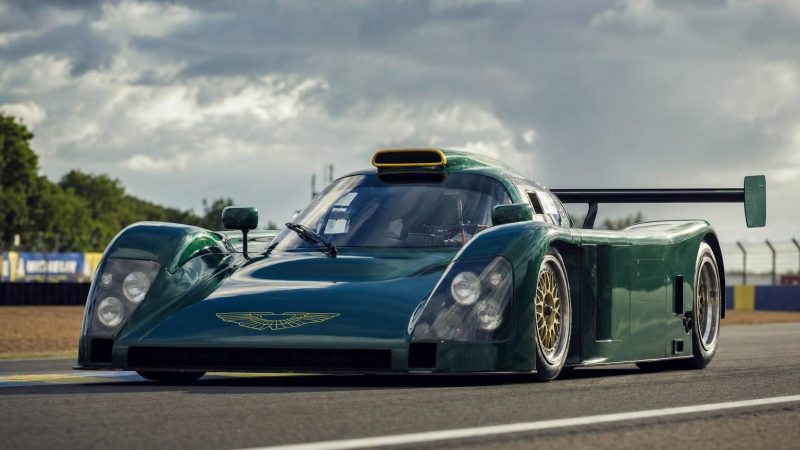
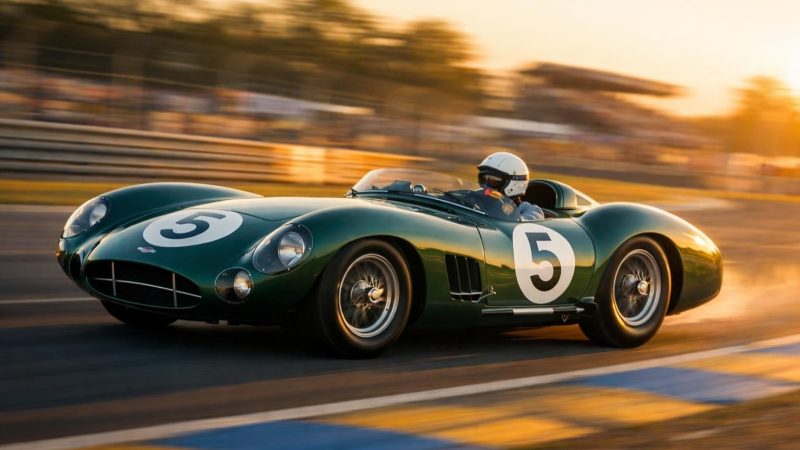
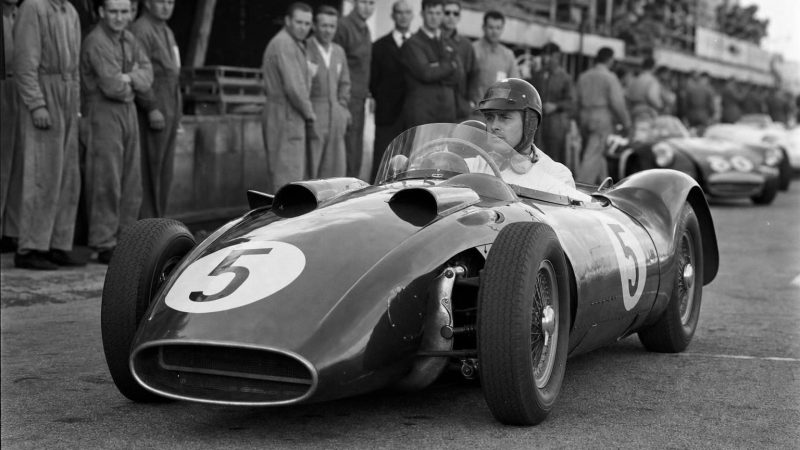
Vantage GT3 at Spa 2026, via car No.23’s onboard: strategy, drivers’ roles and WEC stakes, set against Aston Martin’s Ardennes heritage.
Vantage GT3 in the crosshairs: starting from car No.23’s onboard stream, this analysis breaks down strategy, the role of team-mates and the weight of a WEC second round at Spa that counts for more than it seems. We place what you see – and above all what you don’t – in the context of Aston Martin’s heritage on the Ardennes rollercoaster, and the 2026 LMGT3 dynamic.
The Vantage GT3 in the 2026 World Championship: two cars, one team, one objective
In 2026, the Vantage GT3 embarks on its fourteenth consecutive season of representation in the WEC, as the LMGT3 class, introduced in 2024 to replace LMGTE Am, beds in. For Heart of Racing Team (THOR), the objective is crystal clear: build on the accumulated experience of the Vantage platform while mastering the tactical learning curve specific to global GT3 regulations.
The American outfit has entered two Vantage GT3s in LMGT3 for the 2026 campaign, a step up after a single car in 2025. The second chassis, numbered 23, passed through Racing Spirit of Léman before joining the THOR roster, signalling an optimised rolling-stock strategy. This expansion clearly targets depth across stints and pit windows, the heart of Endurance performance.
On the calendar, Spa-Francorchamps is set from 7 to 9 May 2026 as the second of eight rounds of the FIA World Endurance Championship. A pivotal stage to probe the Vantage GT3 on a high-energy track before the ultimate exam that is Le Mans.
Spa-Francorchamps, familiar ground for Aston Martin in GT
The Spa circuit is an old acquaintance for Aston Martin in GT. In 2012, the marque clinched the first-ever global GTE win for a manufacturer during the inaugural WEC season. That milestone sets the bar: at Spa, the Aston knows expectations are high.
Since 2012, the Vantage in the WEC has amassed 11 world titles, 69 pole positions and 5 class victories at the 24 Hours of Le Mans. A record that is no exercise in nostalgia: it shapes daily decisions, from set-up to tyre strategies, on a track whose range – elevation, speeds, often playful weather – highlights chassis stability and stint consistency.
Technically, the Vantage GT3 entered at Spa is built on a bonded aluminium chassis derived from the road-going Vantage, powered by a 4.0-litre twin-turbo V8. This base lets it absorb the long full-throttle phases between La Source and Les Combes, while guaranteeing the agility needed through the Eau Rouge and Raidillon sequence, where margins are measured as much in confidence as in downforce.
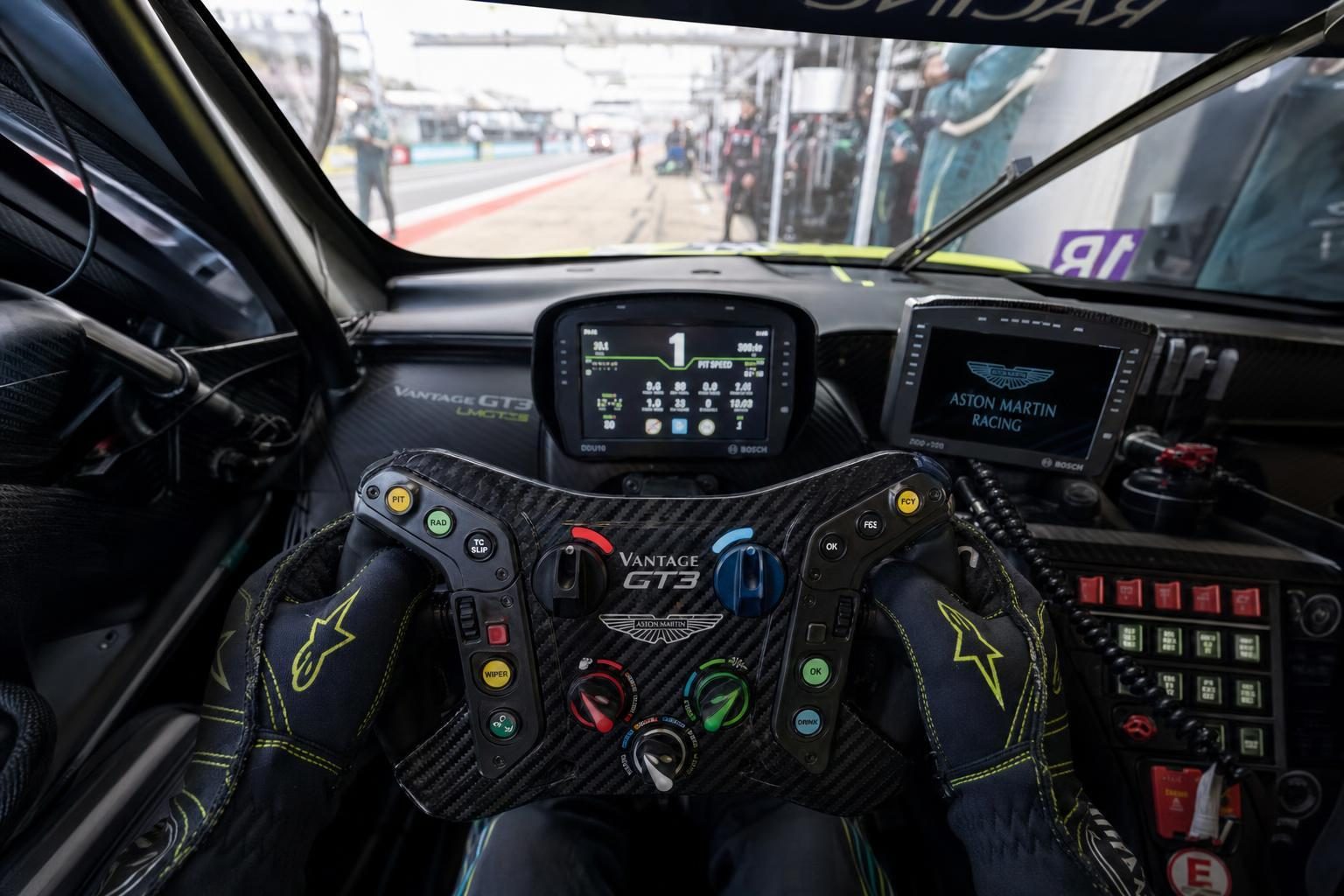
No.23 up close: Barrichello, Newell, Adam and the onboard camera
The No.23 THOR Vantage brings together Eduardo “Dudu” Barrichello, Gray Newell and Jonny Adam. The trio makes sense: an IMSA GTD points leader in 2026 returning to the WEC, an in-house driver seasoned in GT formats, and a double Le Mans class winner. This diversity of profiles shows on screen… but not entirely.
No.23’s onboard stream, immersive as it is, doesn’t tell the whole story. What it often hides is the elbows-out management in LMGT3, decided more on the engineering stand than at the wheel: choosing undercut or overcut, the length of double-stints, refuelling timing versus neutralisations. All crucial calls, invisible on camera, that prove decisive for the Vantage GT3 when traffic thickens with the prototypes.
Another blind spot of the camera: the distribution of effort within the crew. Barrichello, buoyed by his IMSA momentum, can launch an attacking stint to bring the car back into the window, while Adam, the in-house benchmark, sets the base pace and tyre management. Newell contributes continuity and clean laps in key sequences. The overlay shows only the line; it leaves out the collective score.
Finally, what you barely perceive is the information exchange. The Vantage GT3 runs to the radio’s tempo: tyre temperatures, fuel use, lift-and-coast targets. Instructions that don’t appear in the picture but shape how to tackle Blanchimont at the end of a stint. To grasp this “off-camera” layer, No.23’s integrated live feed is a useful entry point, to be completed with the team’s run plan.
LMGT3 2026: the season, the tactics and the Belgian outcome
The 2026 LMGT3 season plays out over eight acts, Spa included. Within this frame, THOR deploys a two-car team logic. The No.27 Vantage, entrusted to Ian James, Zach Robichon and Mattia Drudi, sat fourth after four hours at Spa, a reminder that reading the mid-race order is often more instructive for strategy than an isolated camera.
On the tactical mixing desk, the Vantage GT3 leans on the rigidity of its bonded aluminium chassis and the usable flexibility of the 4.0-litre twin-turbo V8. In practice, that opens the door to long double-stints as the track comes in and allows responses to Full Course Yellows without derailing the tyre sequence. These parameters, managed from the pit wall, explain why two Vantages under one banner beat one: you spread risk and attempts.
As for the “Belgian outcome”, it’s taken here to mean the bundle of learnings from Spa more than a raw number. The second round, held from 7 to 9 May 2026, serves as a full-scale test before Le Mans: traffic management, pit window calibration, and gauging relative pace against the LMGT3 field. The intermediate positions – including No.27’s after four hours, reported by the WEC – frame the calls that No.23 executes behind the scenes, beyond the camera’s frame.
To relive the cockpit experience, No.23’s onboard stream sheds light on these choices, without exhausting them. It’s a good complement to the weekend’s official information and technical releases, helpful in seeing how the Vantage GT3 turns strategic intent into measured lines.
From Spa to Le Mans: the Vantage GT3 on the road to the next step
Spa, second stop of an eight-round season, serves as a springboard. For the Vantage GT3, the aim is to convert the marque’s history into operational levers: the 2012 lesson in razor-sharp race control, the legacy of 11 world titles since 2012, and the know-how accumulated at Le Mans with five class wins. Nothing ostentatious, but a culture of execution that runs through the programmes.
With Le Mans in sight, No.23 advances in the wake of a No.27 capable of putting the car at the sharp end at mid-distance, according to WEC information. The Barrichello–Newell–Adam trio hones its shared grammar: where to attack, where to conserve, when to extend a stint. This thread, started at Spa, sets the Vantage GT3 on a credible trajectory towards the Sarthe.
Then there’s Aston Martin’s customary discretion: let the car do the talking. The Vantage GT3, derived from the road Vantage and armed with its 4.0-litre twin-turbo V8, doesn’t look for showmanship. It rewards being watched over time, between neutralisations, when the bonded aluminium chassis showcases its consistency and the strategy unrolls. Those are the moments the camera hints at, and the team orchestrates.
Conclusion – what the Vantage GT3 shows… and what it implies
No.23’s onboard is a fine gateway into Spa 2026, but it doesn’t tell the whole Vantage GT3 story. Behind the images are a team expanded to two cars, a Spa history dating back to the first GTE triumph in 2012, and a 2026 programme designed for LMGT3. It’s in this blend – experience, method, and collective execution – that the Aston charts its course, from the Ardennes to the Sarthe.
To dig deeper, you can explore the reference road lineage underpinning this approach, revisit the WEC trophy trail and follow the 2026 IMSA tempo to set today’s momentum in context. And keep this in mind: beyond the frame, the Vantage GT3 chiefly tells a way of racing. Spa gives the key; Le Mans offers the development.
- Discover the road-going DNA of the Vantage MkII, the GT3’s technical base
- Trace the Vantage’s WEC story and its Le Mans victories
- Set the 2026 IMSA momentum with four podiums on the board
Useful sources and references: