Trace the history of Aston Martin from 1913 to today: the Bamford & Martin origins, the David Brown era, the crises and the modern revival of the marque.
The history of Aston Martin is that of one of the most desirable car marques in the world: more than a century of British elegance, punctuated by sporting triumphs, repeated crises and spectacular revivals. Founded in 1913, the marque forged a unique identity — that of the thoroughbred grand tourer, halfway between sports car and luxury object. To trace Aston Martin history is to travel through more than a hundred years of automotive passion.
 The origins: Bamford & Martin (1913–1926)
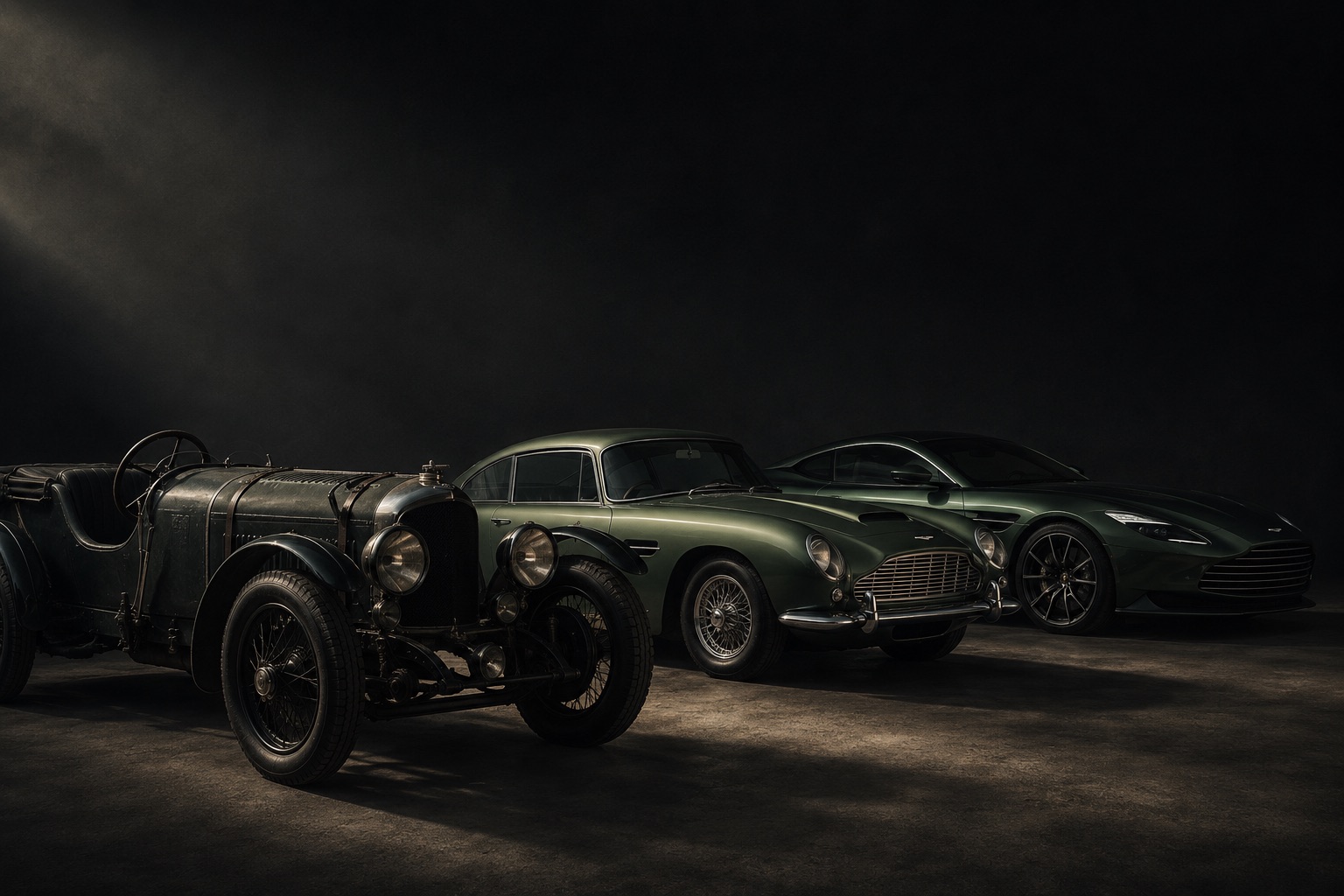
It all began in London in 1913, when Lionel Martin and Robert Bamford founded Bamford & Martin Ltd. The name “Aston Martin” was born of Lionel Martin’s victory at the Aston Clinton hillclimb in Buckinghamshire. The First World War interrupted the venture, but production resumed in 1919. From the 1920s the marque made its name in competition, notably at Brooklands, and its cars stood out for their lightness and agility. Built in tiny numbers, these early machines already embodied the blend of refinement and competitiveness that still defines the brand — performance in the service of elegance, a philosophy that has never left Aston Martin.
The David Brown golden age (1947–1972)
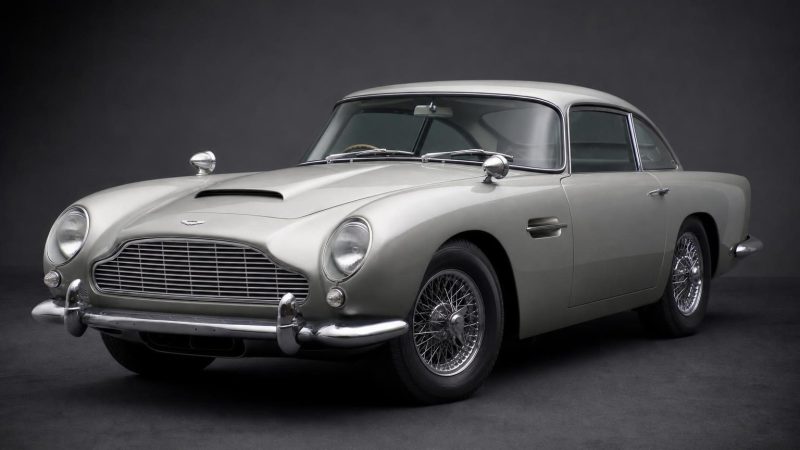
In 1947, the industrialist David Brown bought the firm for £20,500 after spotting a classified ad in The Times. He gave it his initials: the “DB” era had begun. The DB2 (1950) launched the line, the DB4 (1958) adopted Touring Superleggera coachwork, and the DB5 (1963) became, thanks to James Bond, the most famous car in the world. The DB6 (1965) extended that success with greater practicality. On the track, the high point came in 1959: the DBR1 driven by Carroll Shelby and Roy Salvadori won the 24 Hours of Le Mans, and Aston Martin clinched the World Sportscar Championship constructors’ title.
The turbulent years (1972–2007)
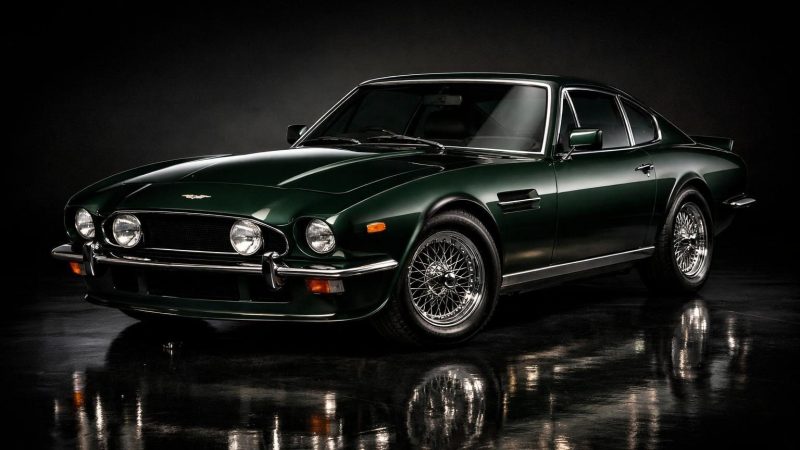
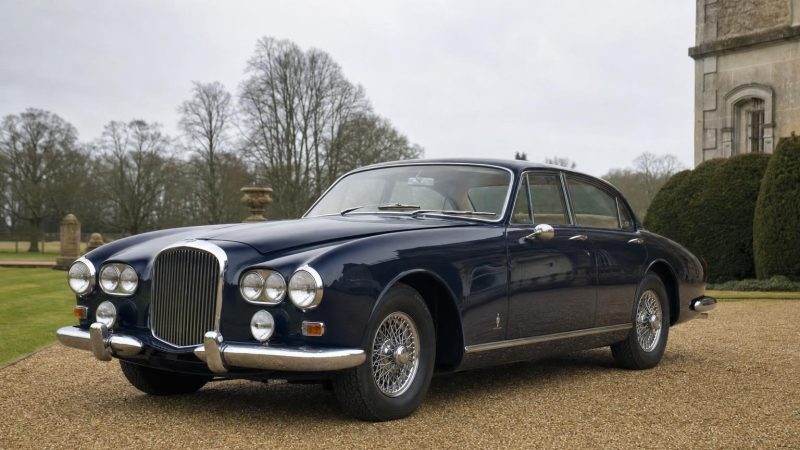
After David Brown’s departure in 1972, the marque went through troubled decades, brushing with bankruptcy several times and passing from hand to hand amid financial crises. Figures such as Victor Gauntlett kept it afloat in the 1980s, while Newport Pagnell continued to build the muscular V8 and the futuristic Lagonda. The Virage revived production in 1988, while the rare collaborations with coachbuilder Zagato became prized collectors’ items. The real rebound came with the DB7 (1994), built in more than 7,000 examples — a record for the marque — under Ford, which had taken a stake as early as 1987.
Revival and the modern era (2007–present)
In 2007, Aston Martin regained its independence, before floating on the London Stock Exchange in 2018. The Gaydon factory in Warwickshire became the heart of a fully renewed range under the design direction of Marek Reichman. The marque dared to build an SUV with the DBX (2020), now its biggest-selling model, after creating the extraordinary One-77. Then came the Formula 1-derived hypercar, the Valkyrie, born of the collaboration with Red Bull Racing. The return to Formula 1 as Aston Martin Aramco, since 2021, sealed this renewed ambition. Today, Aston Martin still builds its cars largely by hand and exports them across the globe.
 Aston Martin history, still in the making
From the first Bamford & Martin to hybrid hypercars such as the Valhalla, Aston Martin history reads like a great British novel: flair, reversals of fortune and sheer obstinacy. Valued at several billion pounds at its stock-market debut, the marque is now preparing its shift towards electrification while staying true to its purpose: to build the most beautiful grand touring cars in the world. To dig deeper, see the official Aston Martin website or the Aston Martin page on Wikipedia.
Today, the history of Aston Martin is still being written, between a heritage more than a century old and resolutely modern ambitions.