DB4 GT Zagato 1960: Ercole Spada was 23 when he drew the body. 19 made, then two new official waves in 1991 and 2000. The story in 5 facts.
DB4 GT Zagato, three words that capture a certain idea of British lightness reinterpreted the Italian way. Here is the behind-the-scenes story of a singular transalpine project, from its unveiling in London in 1960 to the official Sanction II and III series. Between figures that vary by source and the discreet role of Ercole Spada, barely 23, this account shows how taut elegance became a legend.
October 1960, London Motor Show: how the DB4 GT became the DB4 GT Zagato
Unveiled in October 1960 at the London Motor Show, the DB4 GT Zagato was born of a clear intention: sharpen the DB4 GT by lightening and purifying the bodywork. According to Wikipedia EN, the goal was to marry the British technical base to a lighter, more aerodynamic skin, true to Zagato’s know-how. The car was not a mere cosmetic variant: it was a pragmatic response to performance and racing needs.
The chosen method illustrates a three-step collaboration. Chassis were built at Newport Pagnell, then sent to Milan to receive their bodywork at Zagato, before returning to Britain for finishing. According to media.astonmartin.com, around five examples may even have been completed entirely on the Milan side, an exception that speaks to the flexibility — and at times the empiricism — of this artisanal production.
The very name tells the intent: the Aston Martin DB4 GT becomes DB4 GT Zagato as superfluous material disappears. The bonnet stretches, the volumes are tightened, the surfaces are pared back. More than a signature, the Z of Zagato imposes a formal discipline in the service of speed.
Ercole Spada, 23, apprentice at Zagato: the genesis of the body design
February 1960: a young draughtsman joins Zagato as an apprentice. His name is Ercole Spada, he is 23, and his hand will set the line of the DB4 GT Zagato. According to the official media.astonmartin.com profile, it was indeed he who drew the bodywork. This apparent “detail” changes the story: the purity of the line did not come from an old master, but from a fresh eye, at the precise moment when GT culture was shifting towards more function and less ornament.
Spada erases, lightens, tightens. The arches gain nerve, the tail tapers, the surfaces are simplified without ever being impoverished. The drawing is brief, efficient, almost austere — and that is precisely what gives it grace. The Zagato imprint is there, in the balance between aerodynamic constraint and unshowy elegance.
The result is not merely aesthetic. By reducing weight and optimising the volumes, the DB4 GT Zagato gains extra verve. In an era when every kilogram matters, Ercole Spada’s bodywork reminds us that a well-guided pencil can sometimes be the best weight-saver.
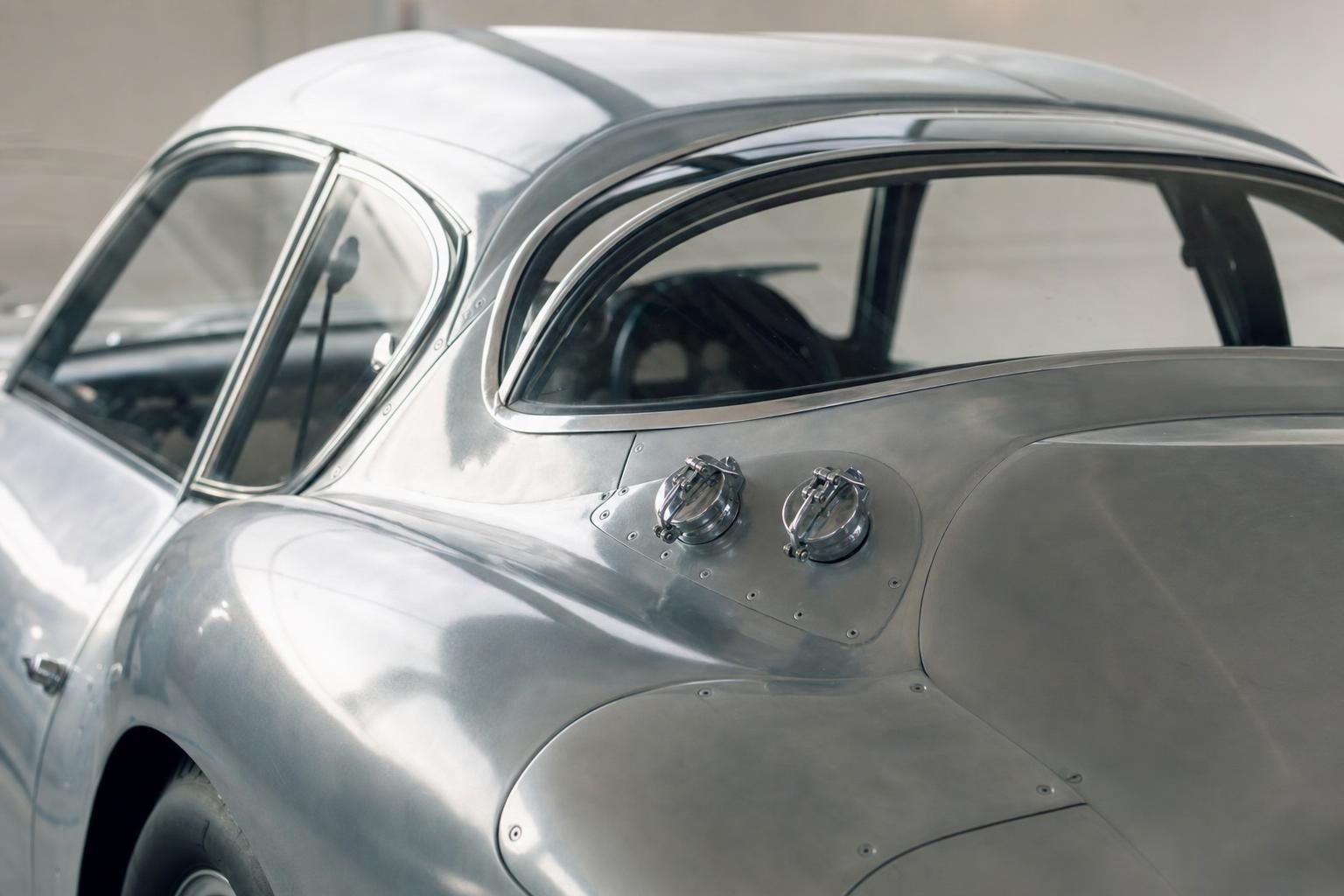
19 examples built out of 25 planned: what the numbers do not say
Why only 19 examples, when 25 were originally planned? Wikipedia EN and media.astonmartin.com agree on the total of 19. The detailed reasons, however, fade partly into the mists of the archives: demand, the sporting context, and the inherent difficulty of such artisanal production are plausible leads, though none are exhaustively documented by sources.
The production flows are well established. Chassis at Newport Pagnell, bodywork in Milan, then back to the United Kingdom for finishing. Again, media.astonmartin.com notes that around five cars may have been finished at Zagato, a figure that is not contradicted but rarely detailed elsewhere. This kind of nuance also explains why, when mapping the cars, history is written car by car, document by document.
For enthusiasts seeking reference points, our dedicated DB4 GT Zagato profile gathers the key milestones known and the public reference sources. It sets the available syntheses against their degree of consensus, without embellishing what we still do not know.
Sanction II (1991) and Sanction III (2000): two official waves and their technical differences
At the end of the 1980s, the story continued officially. In 1987, Aston Martin and Zagato reached an agreement to build four additional DB4 GT Zagatos, known as Sanction II. According to Wikipedia EN, they were completed in 1991 and sold for over one million dollars each. The CarJager summary confirms this timeline and these orders of magnitude, already attesting to a solidly established iconic status.
The Sanction IIs differ from period cars by their nature as late reconstructions, with meticulous execution and the blessing of the manufacturer and coachbuilder. They remain faithful to the spirit and silhouette signed Spada, while acknowledging their distinct temporality: the goal is not to “redo” 1960, but to pay homage with rigour and coherence.
In 2000, two Sanction IIIs completed the story. According to Wikipedia EN and media.astonmartin.com, they were made from original DB4 GTs, placing them in an even greyer area between restoration, transformation and special series. Their rarity is indisputable; their positioning is assessed case by case, according to execution, documentation and the collectors’ gaze.
To place these official series in the model’s chronology, the manufacturer’s heritage site gathers the essential milestones and reference profiles. There, one can see the continuity of a lineage in which the DB4 GT Zagato occupies a special place.
- Historical context on the model’s Wikipedia EN page
- Official profile and history on media.astonmartin.com
- Aston Martin heritage resources on the DB4 GT and the Zagato
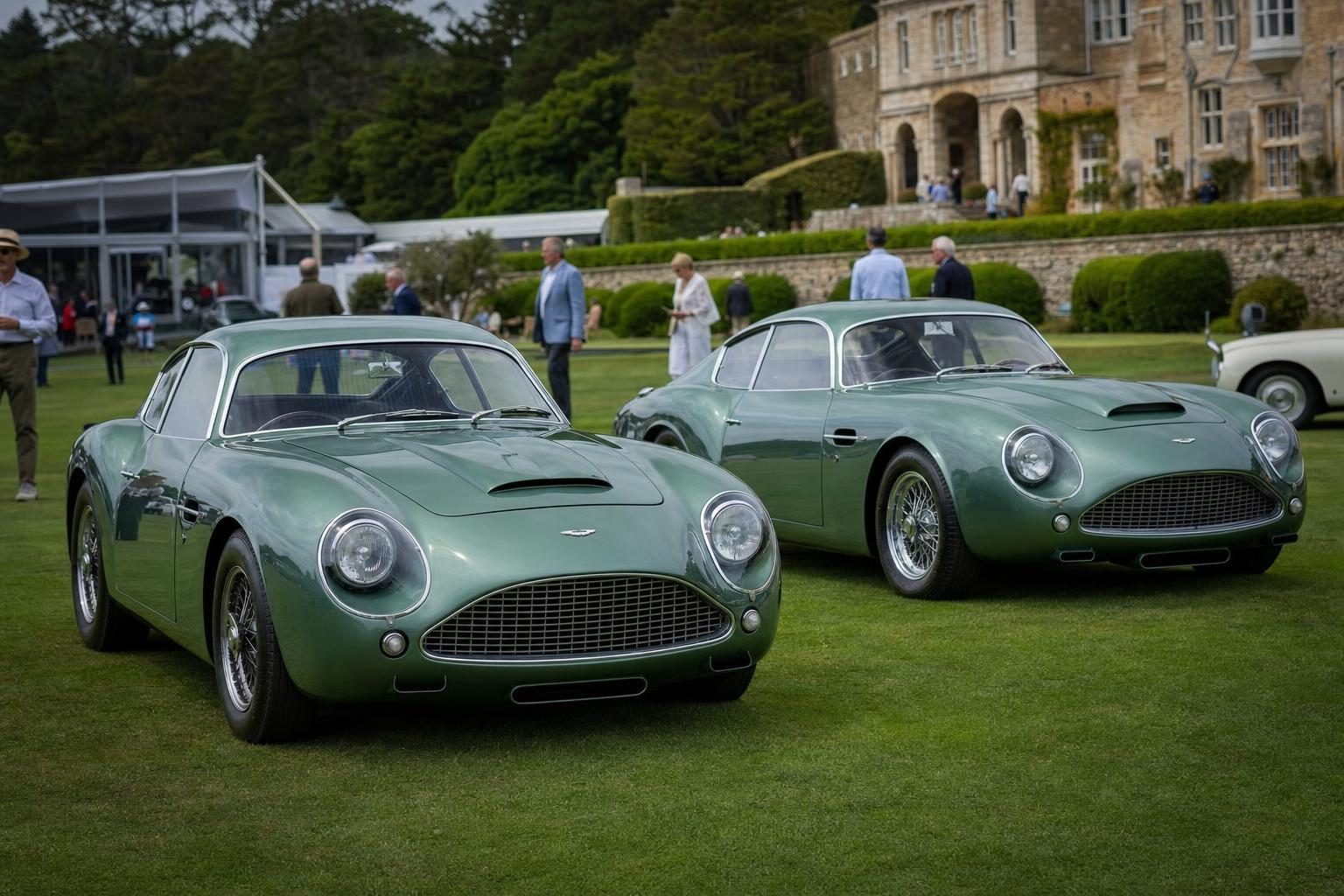
The value of originals versus Sanction and Continuation: a hierarchy clarified by auctions
Market values tell a clear hierarchy. An authentic original was hammered at €11.5 million in July 2018, while a Sanction II reached €1.5 million in February 2018 at Bonhams. These figures are reported by CarJager (March 2026) and should be read for what they are: isolated transactions that do not guarantee current valuation.
The scale difference between a period DB4 GT Zagato and a Sanction II or III reflects authenticity of production as much as rarity, traceability and perceived sporting role. The official reconstructions bear the Aston Martin and Zagato stamp, but they are not from 1960. Auctions, in general, do not confuse one with the other.
The market has also been educated by the rise of “continuation” programmes. While not the core of our subject, they heighten the contrast: the original remains at the summit, the Sanctions occupy a valuable and intelligible place, and the more recent evocations form a third circle. Documentary coherence, quality of execution and usage history, as always, make the difference.
For a sourced overview, our dedicated file revisits the production of the 19 examples, the Newport Pagnell–Milan flow and the official continuations. There you will find links to public references and the critical path behind each figure.
Conclusion: what the DB4 GT Zagato says about Aston Martin
The DB4 GT Zagato sums up a philosophy: lighten without impoverishing, sharpen without overdoing. Unveiled in London in 1960 and conceived by a 23-year-old Ercole Spada, it embodies the moment when elegance becomes high-performing through subtraction. The Sanction II (1991) and Sanction III (2000) continue the story in an official and intelligible way, while confirming, through auctions, a clear hierarchy between origin and homage.
This rare and exacting Aston remains a touchstone for judging a “right” piece of coachwork. That may be its true value, beyond the sums: the DB4 GT Zagato reminds us that when purity is well held, it crosses decades with disarming naturalness.