grand tourisme reinvented by the 1965 DB6: wind-tunnel aerodynamics, Tadek Marek straight-six, evolved Superleggera, variants and current values
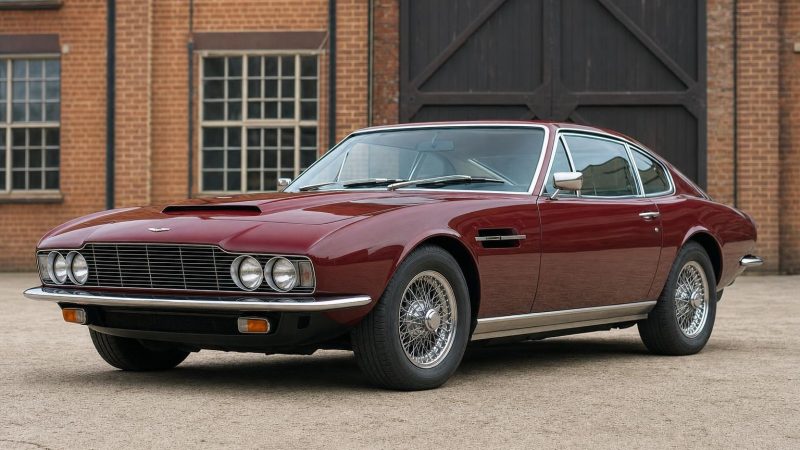
With grand tourisme in its sights, the Aston Martin DB6 unveiled in 1965 shifted the goalposts without raising its voice. We explain, with the evidence to hand, how wind-tunnel-honed aerodynamics, the evolution of the “Superleggera” chassis and the Tadek Marek straight-six redefined the category, while clearly mapping the variants and production figures as reported by their sources. The aim is not to replay the DB5, but to understand why the DB6 traces a different ridgeline for grand tourisme.
Why Aston Martin used the wind tunnel to cure rear lift
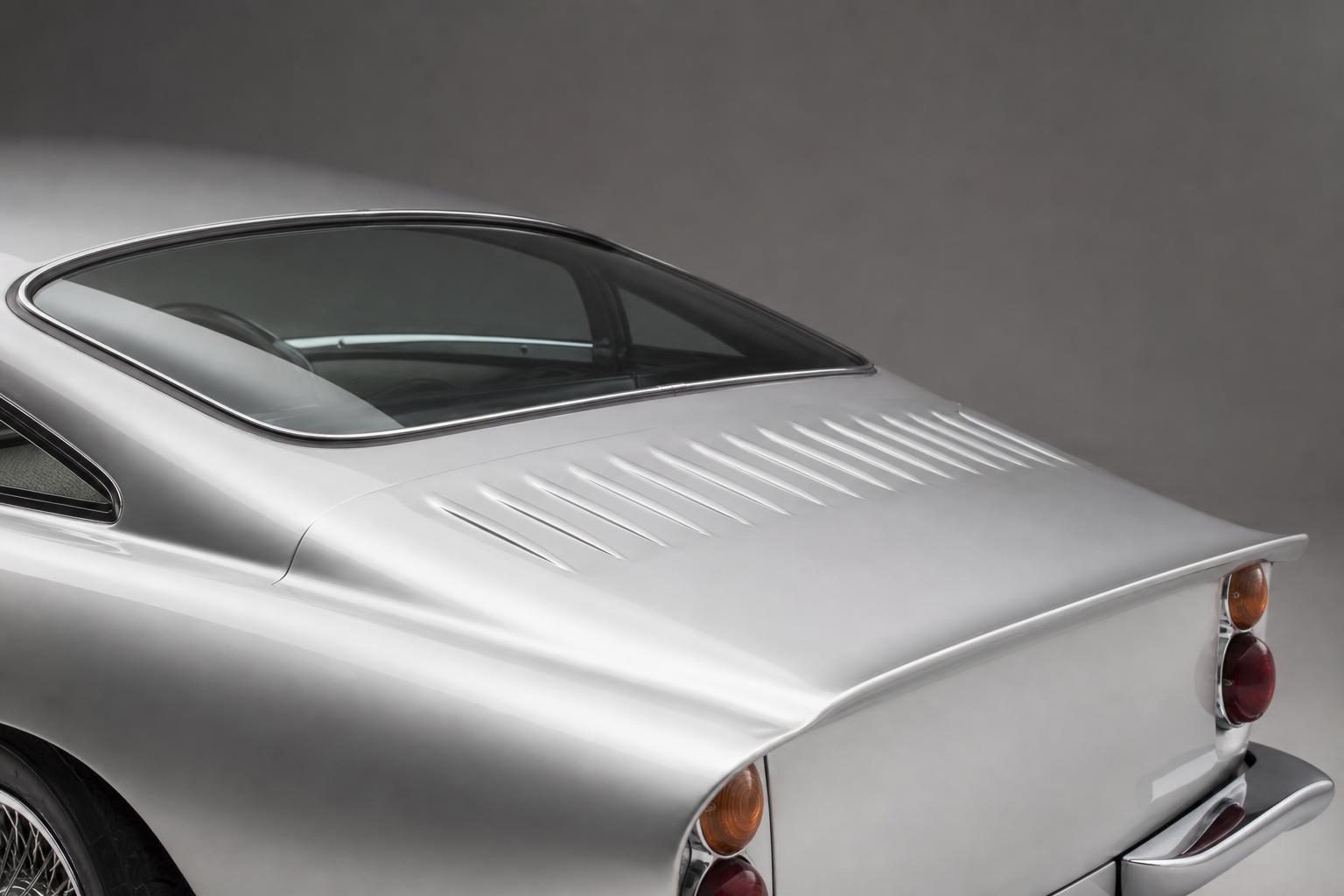
Launched at the London Motor Show in October 1965, the DB6 is the first modern Aston to fully embrace aerodynamics as a development tool. According to official technical documents, the combination of a 95 mm longer wheelbase and a Kamm tail reduced rear-axle lift by more than 30% during wind-tunnel testing. This pragmatic choice, described by the manufacturer, aimed for high-speed stability worthy of a long-distance sporting grand tourer, without sacrificing the elegance of the silhouette.
The truncated “Kamm” tail — more scientific than spectacular — signals an engineer’s approach rather than that of a society coachbuilder. By reducing airflow separation and stabilising the wake, it helps the coupé plant its rear end more securely in fast sweepers. The wheelbase stretch is not only about cabin space: it shifts mass rearwards and calms weight transfer, to the benefit of steadier straight-line poise.
Taken together, these two levers nudge the DB6 towards a more mature definition of rapid travel. Grand tourisme here is no longer measured by top speed alone, but by the consistency and precision of carefully managed aerodynamic load. It is a discreet yet decisive evolution, confirmed by the workshop data published by the marque.
Finally, the DB6 is the first model designed entirely after the move from Feltham to Newport Pagnell. This new industrial context — recalled by encyclopaedic archives — gave the team the environment to systematise wind-tunnel use and rationalise body and chassis iterations.
The Tadek Marek straight-six: 282 PS as standard, 325 PS in Vantage
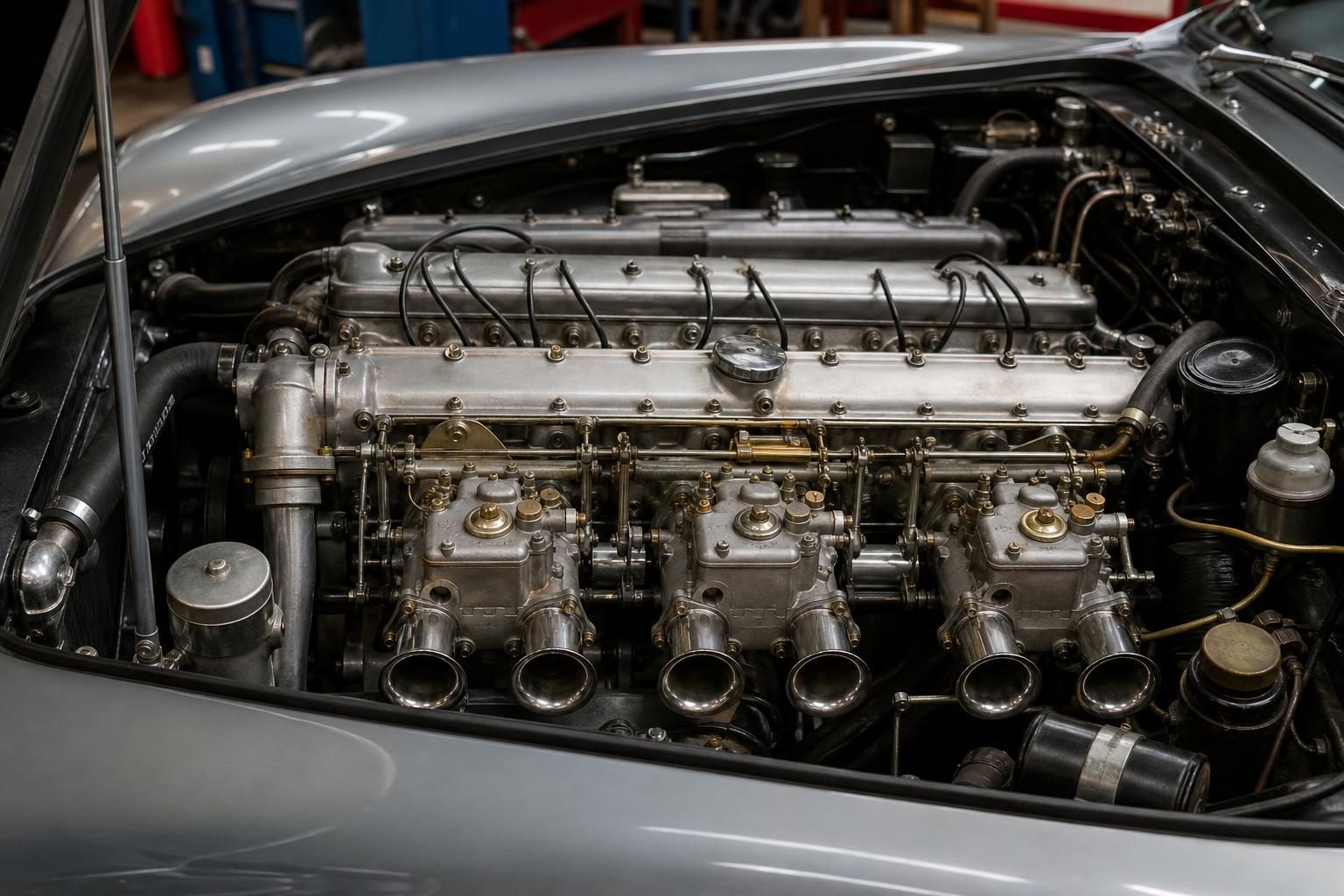
At the heart of the package, the 3,995 cm³ inline six by Tadek Marek delivers 282 PS at 5,500 rpm in standard tune. With the Vantage option, three Weber 45DCOE carburettors and a freer-breathing setup raise output to 325 PS. Figures reported in the reference literature place the DB6 squarely as a long-legged grand tourer with sporting endurance, able to cruise fast for long stretches.
This iron-block, cool-headed engine fits the model’s ambition perfectly: thick torque, measured reach, and the reserve to sustain effort in the mountains as well as on the motorway. Mechanical nobility lies not just in horsepower, but in how it is delivered — regular and composed. The sharper Vantage option shifts the balance towards engaged driving without betraying the coupé’s travelling spirit.
This engine is also a milestone in Aston Martin continuity, from a lineage begun in the early 1950s. To grasp this filiation, you can trace the technical base of the line via our feature on the DB2 and its foundational role, and set it against the maturity reached with the DB6.
For a direct read of period data, the technical archives published by Aston Martin and the encyclopaedic synthesis devoted to the model are useful complements.
Superleggera without Touring: the end of a patent and its consequences
The DB6 carries the Superleggera script, heir to a philosophy mixing a light tubular framework and aluminium panels. But a chapter closed in 1967, when Touring of Milan shut its doors. Until then, Aston Martin paid £5 per vehicle for use of the Superleggera patent; this royalty ceased with the disappearance of the patent holder. It is a discreet tipping point that does not affect the structure’s DNA but clarifies the legal and industrial framework.
In practical terms, the marque retained the accumulated experience and optimised construction method while freeing itself from an old contractual tie. The DB6 period illustrates this handover: the technique still serves a slim body, but one more rational to produce from Newport Pagnell. The end of the royalty does not mean abandoning lightness; rather, it confirms the appropriation of know-how.
This increased autonomy aligns with the ramp-up of the Newport Pagnell factory, the DB6 being the first model conceived entirely after the move. In short, the Superleggera method evolved from a licensed borrowing to an in-house competence, in continuity with the Gran Turismo spirit dear to the marque.
To place this shift within the lineage, our guide to the DB6 variants and specifications and the maker’s page for historic DB6 models offer a useful panorama.
MkI, MkII, Volante, Shooting Brake: mapping the variants produced
DB6 production ran from October 1965 to January 1971. The initial series — often dubbed MkI — accounts for most of the volume, before the MkII was announced on 21 August 1969. According to an Aston Martin heritage specialist, the MkII totals 240 examples, 70 of which with the Vantage option. These figures suggest the relative rarity of this late and sought-after evolution.
The Volante convertible holds a special place. Encyclopaedic sources record 140 units in total, including 29 Vantage Volantes, highly prized by collectors. The model’s renown was further boosted by the enthusiasm of a certain royal owner: Prince Charles, now Charles III, owns a DB6 Volante MkII converted to run on E85 bioethanol, a detail now part of the model’s contemporary legend.
As for Shooting Brakes, these remain workshop or independent coachbuilder conversions carried out from DB6 chassis, not an official mass-production line. Their appeal lies as much in their rarity as in execution, which varies greatly from one commission to another.
To set these variants in the marque’s timeline, it is worth comparing the DB6 with its illustrious predecessor via our page dedicated to the DB5, and consulting the technical dossiers cited above. Each iteration sheds a different light on the company’s ambition for fast, safe travel.
DB6 on today’s market: values, disparities and what drives them
In today’s market, a DB6’s value rests on classic criteria — originality of drivetrain and body, clear provenance, quality of restorations — as well as nuances specific to the model. A true Vantage, correctly specified with its Weber 45DCOEs, commands a notable premium. An authenticated Volante, especially among the 29 Vantage Volantes recorded by encyclopaedic sources, comfortably clears a higher tier.
The MkIIs, produced in 240 examples according to a respected dealer-historian, enjoy added interest for their terminal position in the series. All else being equal, they compare more strongly over the long term, buoyed by their rarity. Conversely, conversions and approximate recreations must be assessed rigorously, as the DB6 has spawned numerous variants and adaptations.
Beyond the badges, the correctness of aerodynamic elements and chassis details weighs in the balance. The Kamm tail, panel fit, and conformity to period specifications influence not only the driving pleasure but also the authenticity sought by connoisseurs. Here again, grand tourisme takes a very concrete form: a coherent, dependable specification, fit to devour miles with unruffled ease.
To document a given car, official and encyclopaedic resources remain good starting points, beginning with the factory technical sheets and the summary documentation dedicated to the DB6. Our DB6 model guide aggregates the specifics useful to buyers.
Conclusion: when grand tourisme takes on a new definition
The DB6 did not merely succeed the DB5; it shifted the foundations of grand tourisme through a sum of concrete improvements. The wind tunnel dictated a Kamm tail and a longer wheelbase, cutting rear lift by more than 30% according to factory data. The Tadek Marek straight-six, from 282 PS to 325 PS in Vantage form, delivered the required endurance and flexibility. And the evolution of the Superleggera framework, freed in 1967 from the Touring royalty, sealed industrial maturity.
At the end of this trajectory, the DB6 makes a quiet truth plain: rapid travel is not a posture; it is a method. In that sense it redefines grand tourisme, English style, through the rightness of its choices and the consistency of their execution — which, in Aston terms, remains perhaps the most enduring signature.