DB4 GT Continuation 2017: 5 Ultimate numbers behind Newport Pagnell’s return
DB4 GT Continuation 2017: the five key numbers that illuminate Newport Pagnell’s rebirth and how this programme reshaped Aston Martin’s heritage strategy.
Read the articleDB4 GT Continuation 2017: the five key numbers that illuminate Newport Pagnell’s rebirth and how this programme reshaped Aston Martin’s heritage strategy.
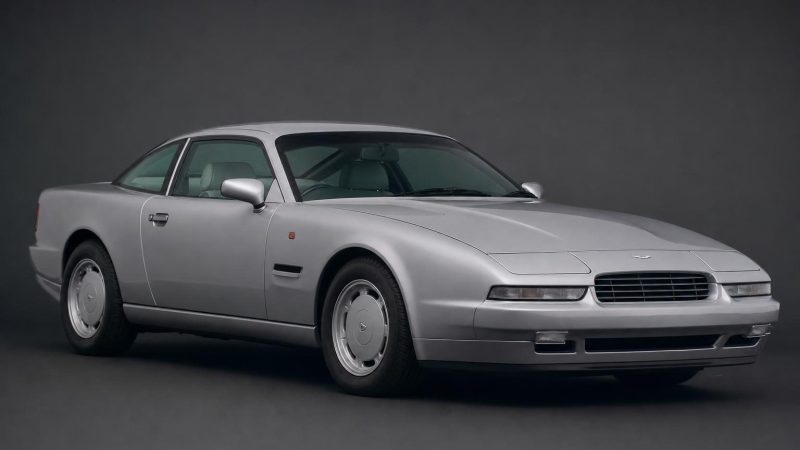
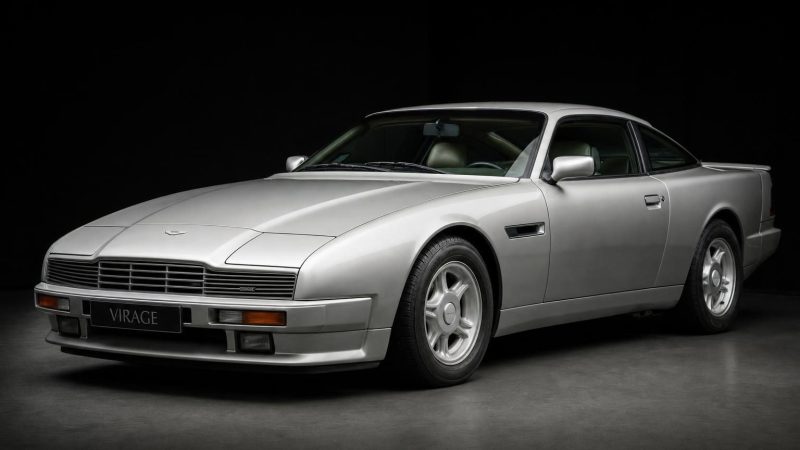
Read the articleVirage 1989: why the first Aston Martin fully conceived at Gaydon split opinion and how it laid the groundwork for the modern era.
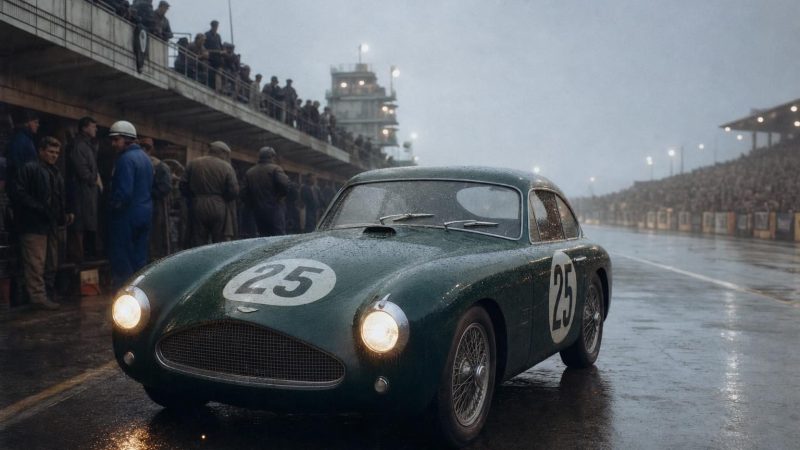
Read the articleDB2 at Le Mans 1950: 5th and 6th overall, 1st and 2nd in the 3-litre class. How the 1950 and 1951 DB2s forged Aston Martin’s grand tourer-racer vocation.
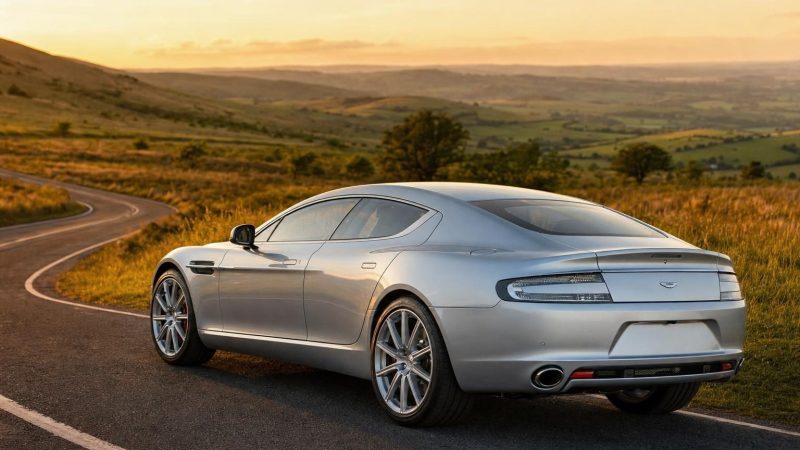
Read the articleRapide S 2013: 552 PS, four true seats and a naturally aspirated V12 in a 5‑metre saloon. What the S version tangibly added over the 2010 Rapide.
Read the articleVirage 1988: first true Aston Martin renewal in twenty years, born from a design contest won by two young Britons. History, engineering and Ford context.
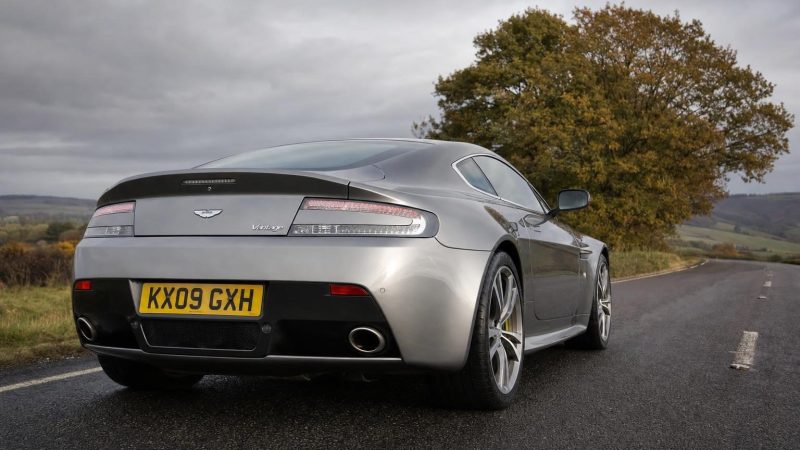
Read the articleV12 Vantage 2009: fitting a 6.0‑litre V12 into Aston Martin’s shortest chassis was a simple idea. A look at 5 technical and cultural aspects that set it apart.
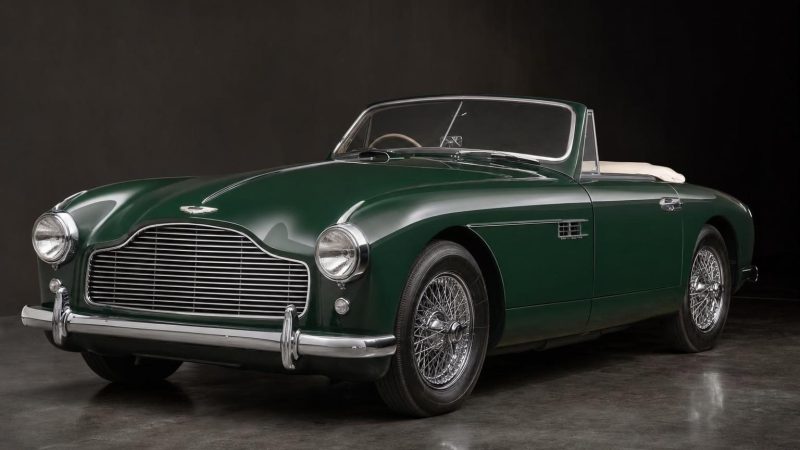
Read the articleDB Mark III: launched at Geneva in March 1957, it introduced Aston Martin’s signature grille and Girling disc brakes. Four choices that changed the marque.
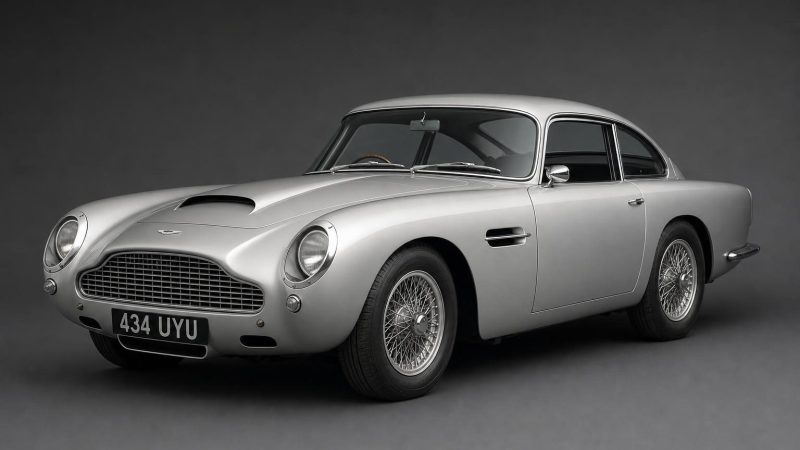
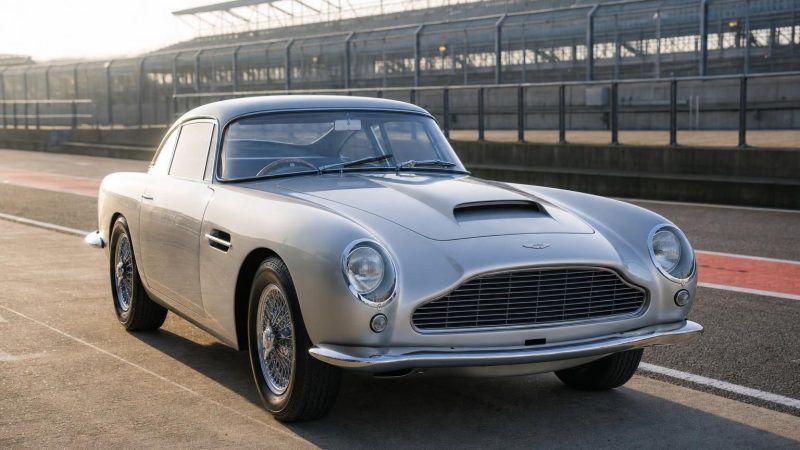
Read the articleDB4 GT 1959: shortened chassis, faired headlamps, 75 built. Why this bridge between the DB4 and the Zagato remains a road-racing benchmark.
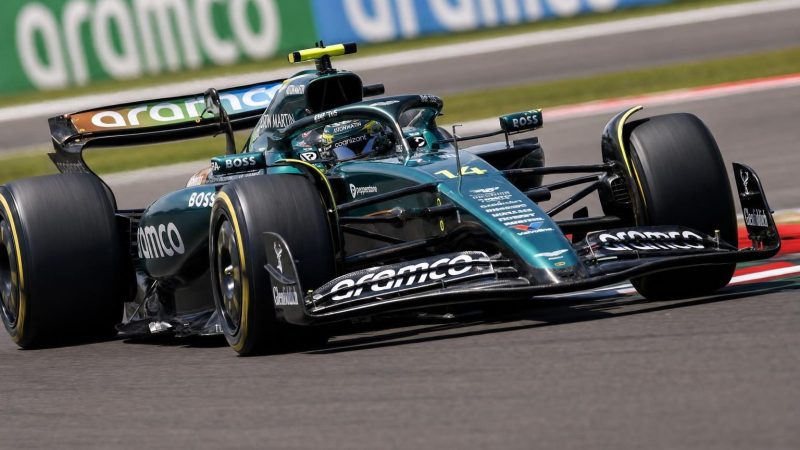
Read the articleAMR26 2026: in-house gearbox, Honda RA626H engine, active wings and sustainable fuel – the five technical choices defining Adrian Newey’s first Aston Martin Formula 1.
Read the articleVirage 1988: how a design contest won by two young Britons delivered the first truly new Aston Martin in nearly 20 years.
Read the article